
 Image 1 of 10
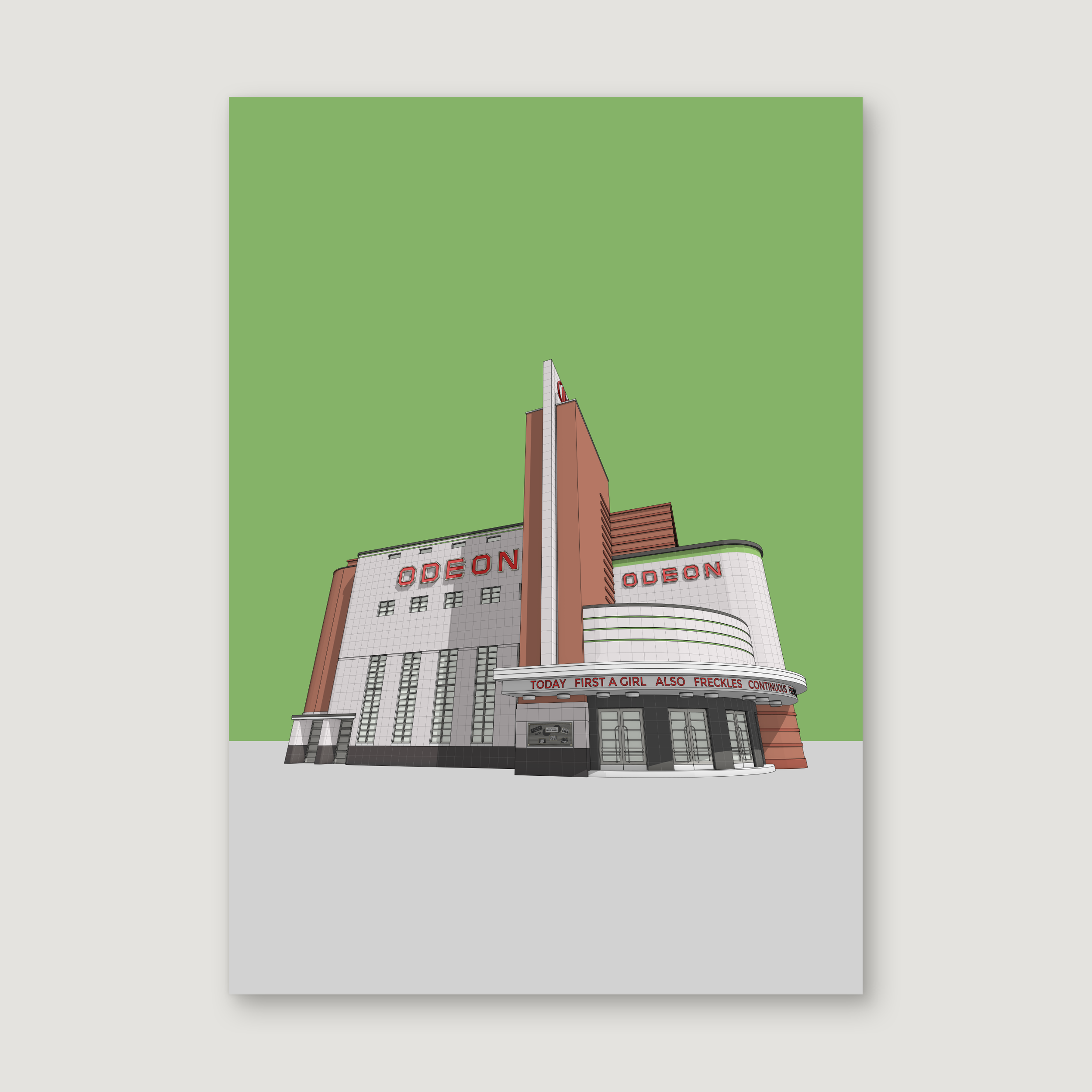 Image 2 of 10
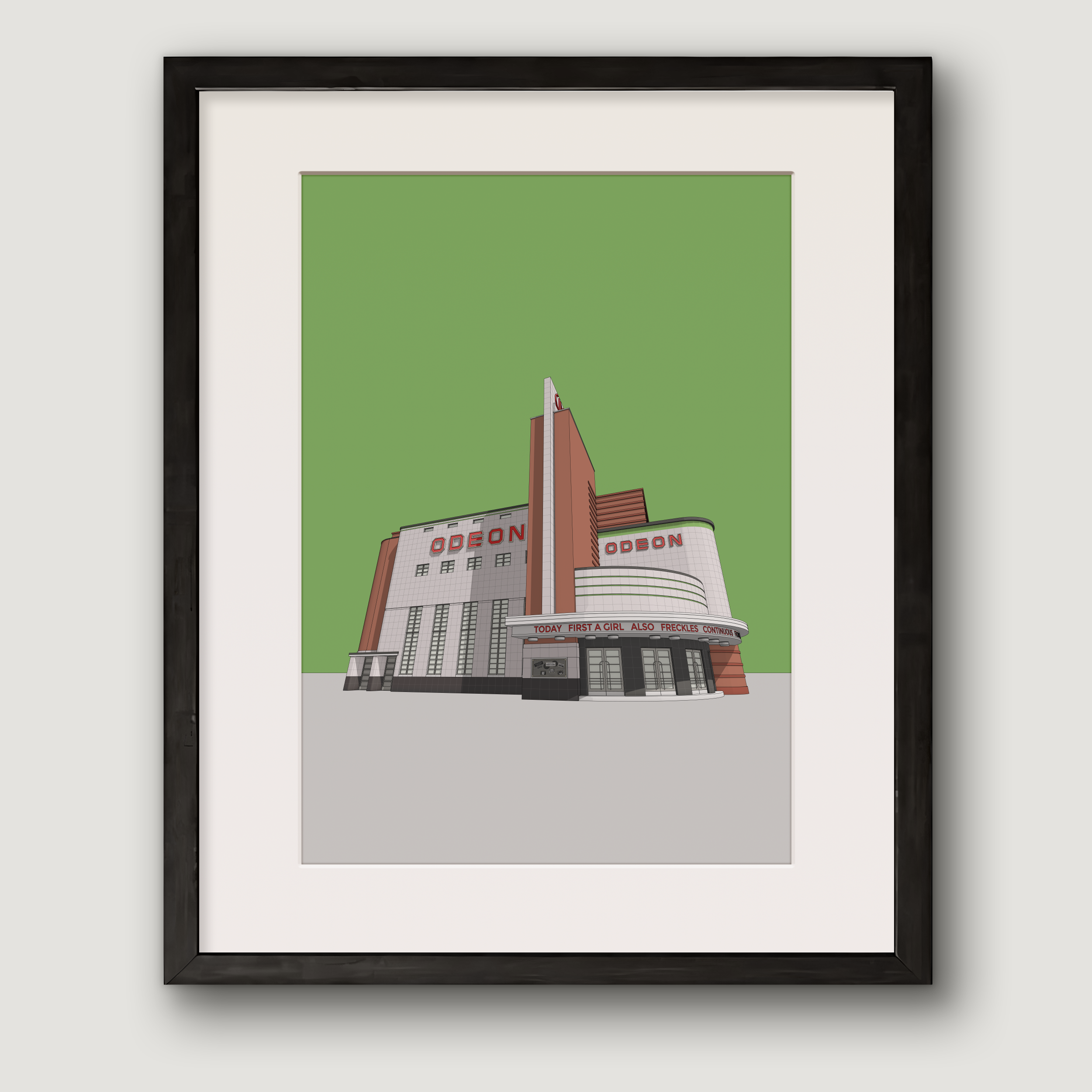 Image 3 of 10
 Image 4 of 10
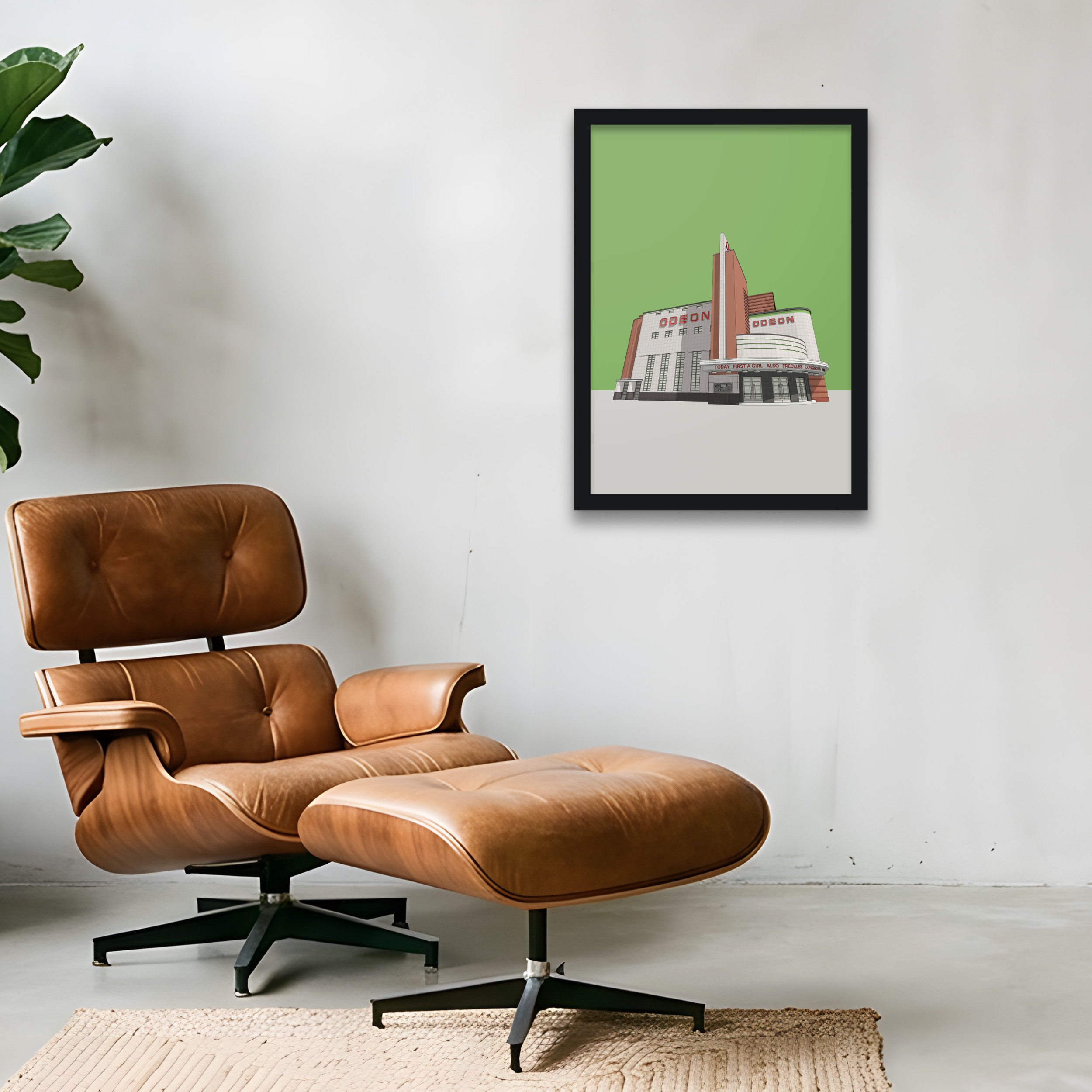 Image 5 of 10
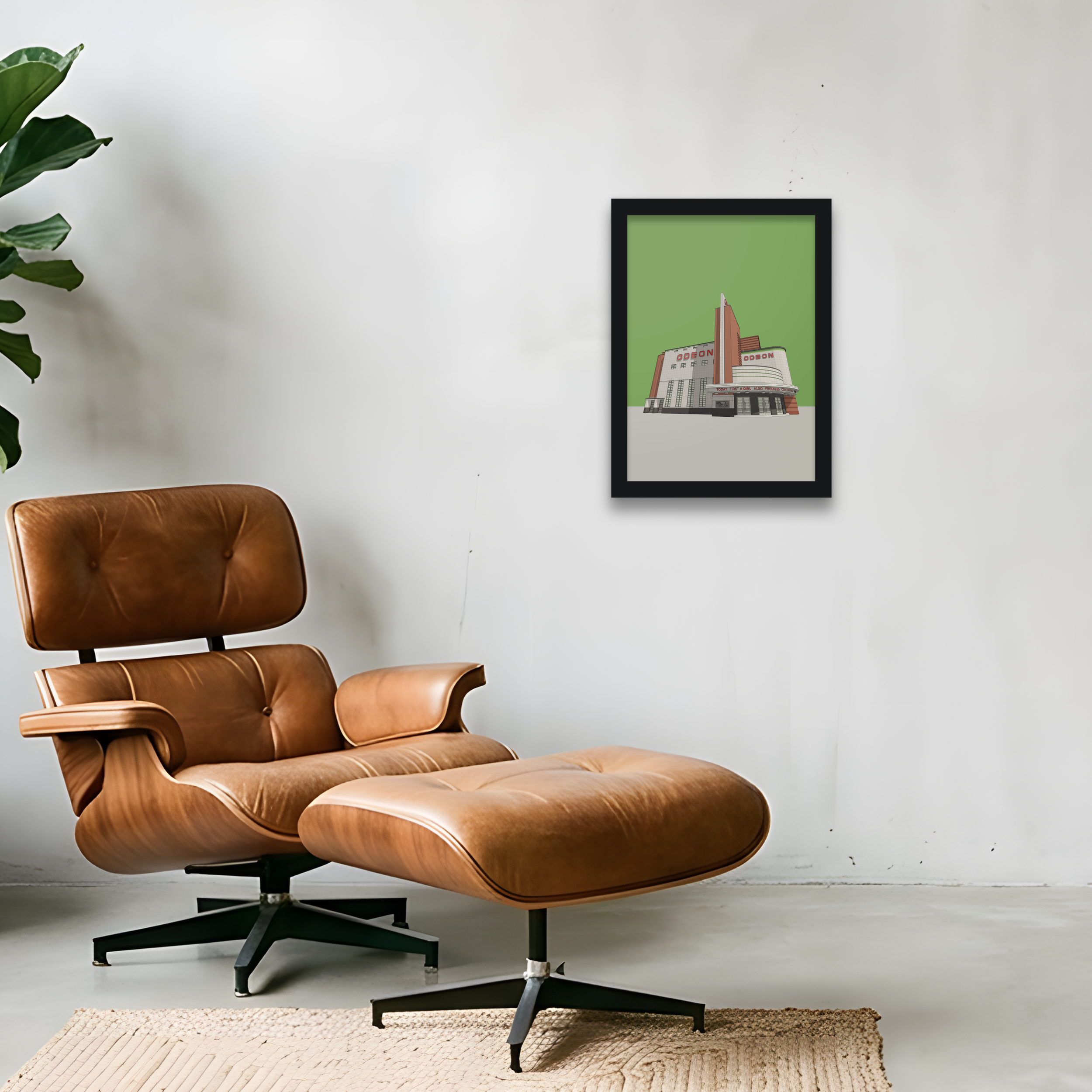 Image 6 of 10
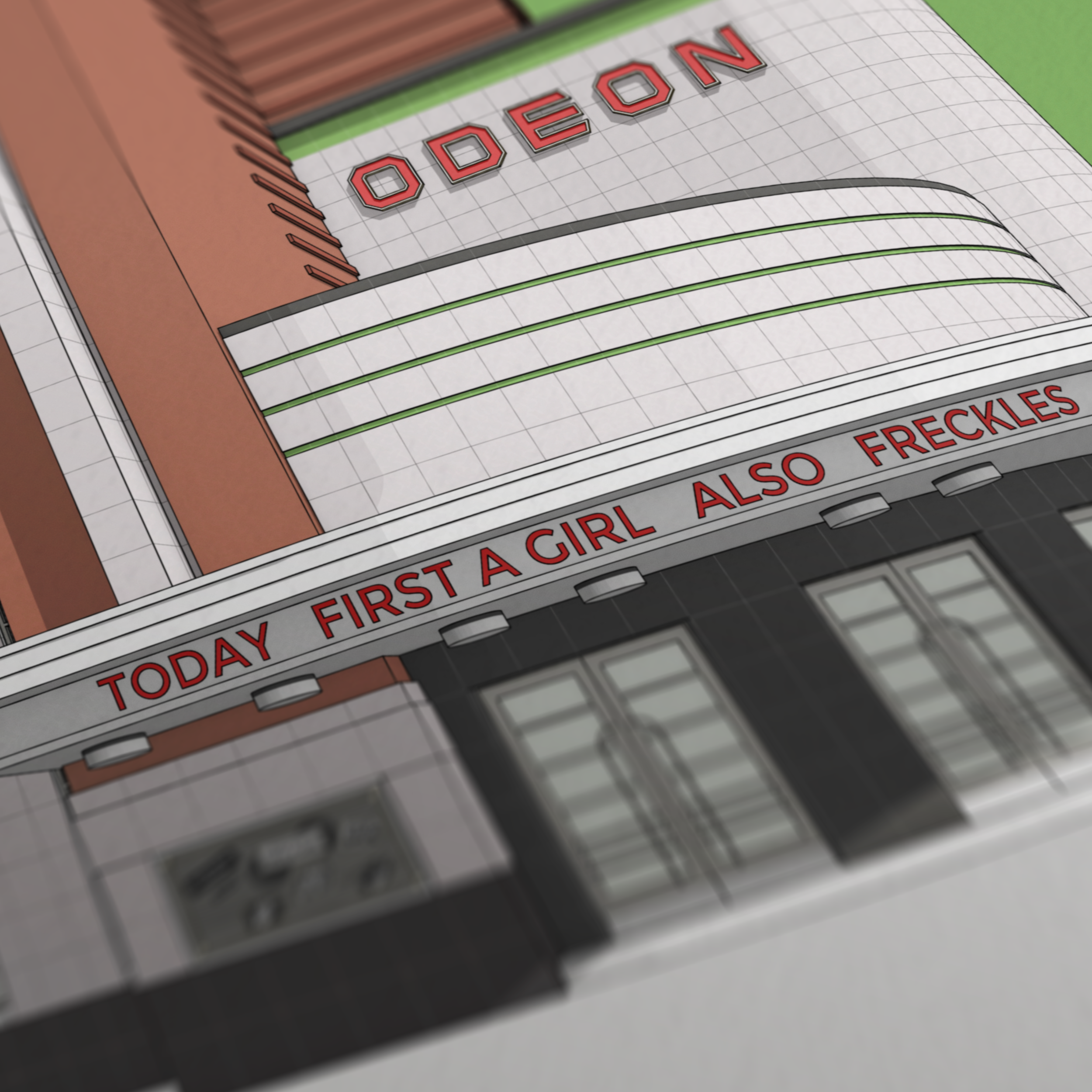 Image 7 of 10
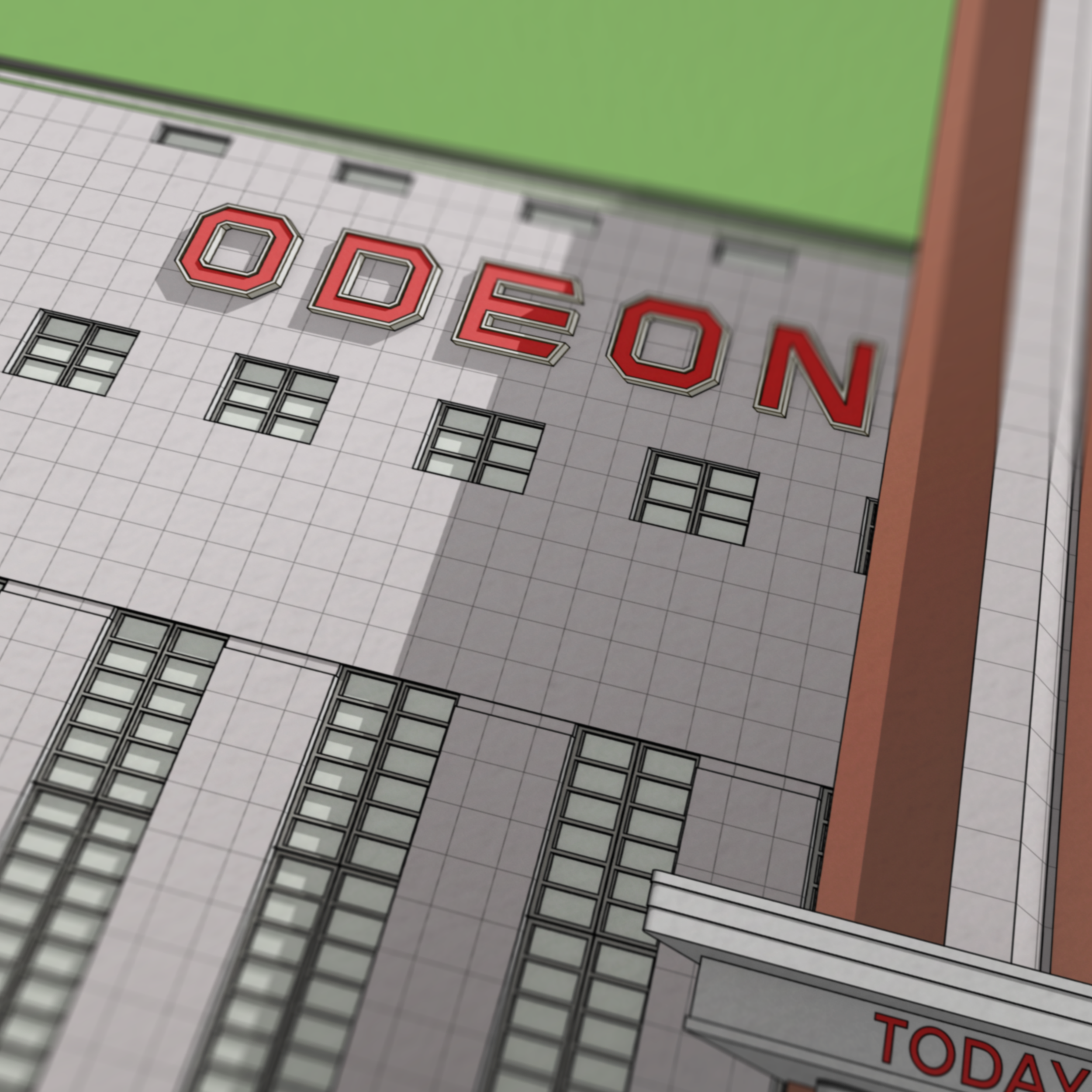 Image 8 of 10
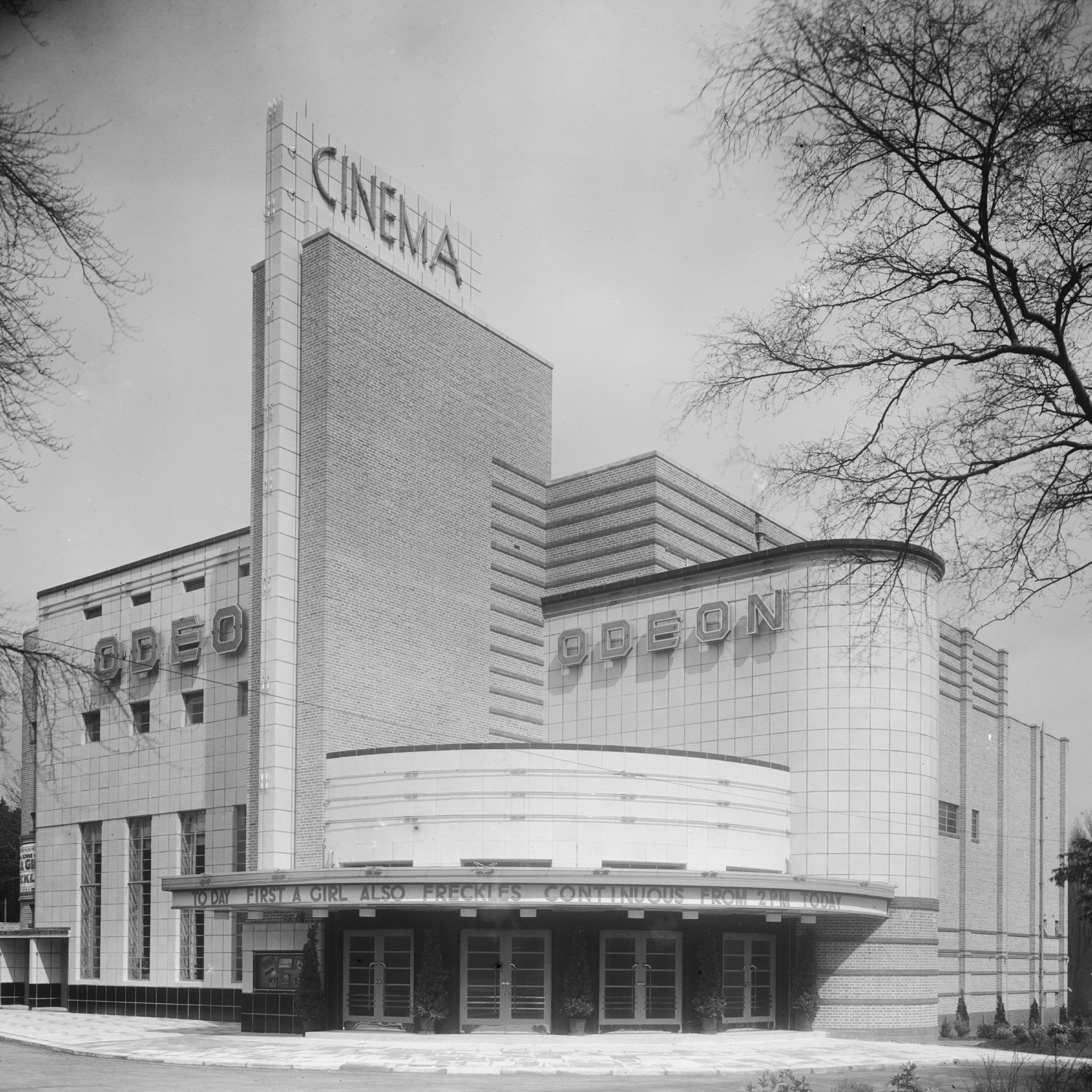 Image 9 of 10
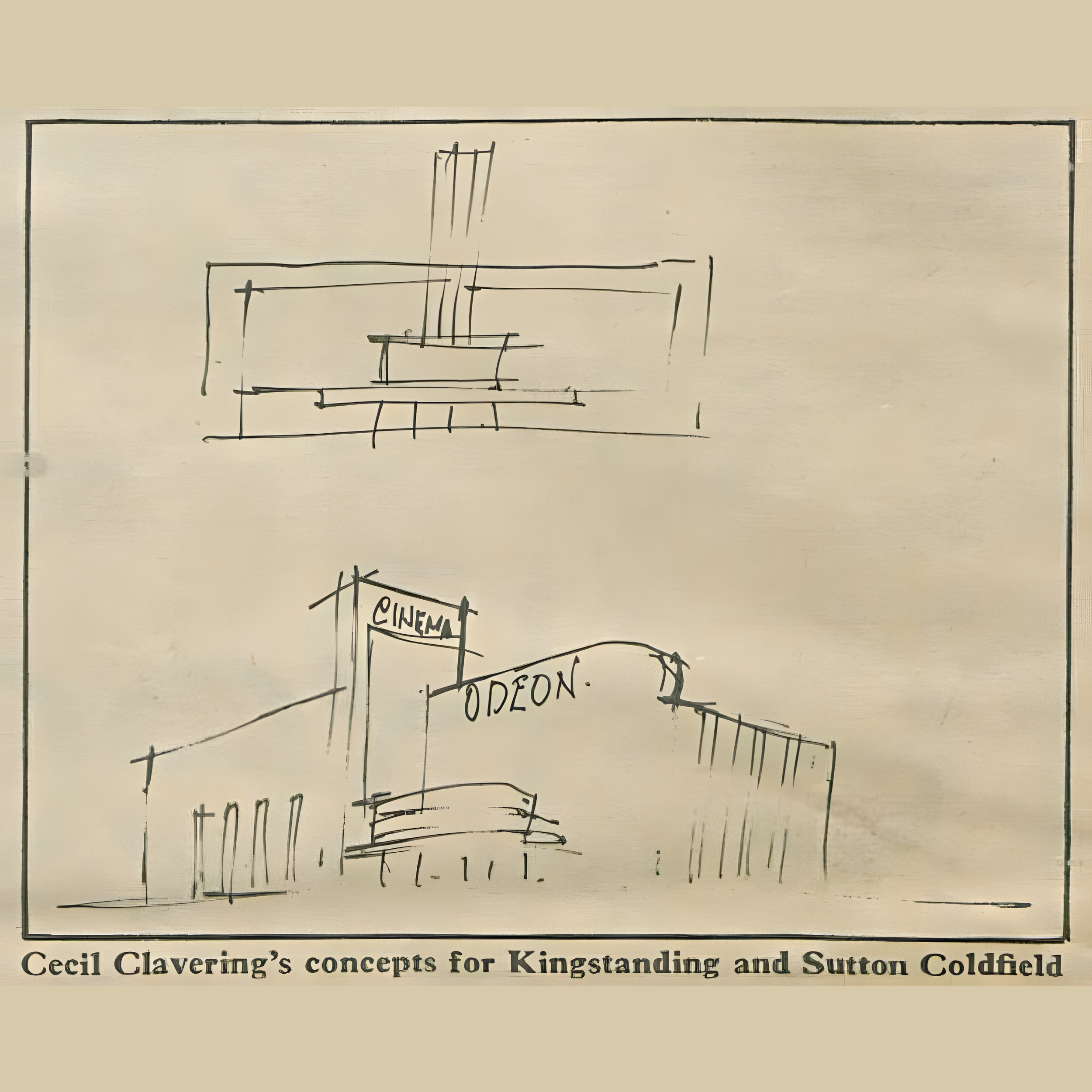 Image 10 of 10
About ODEON Sutton Coldfield
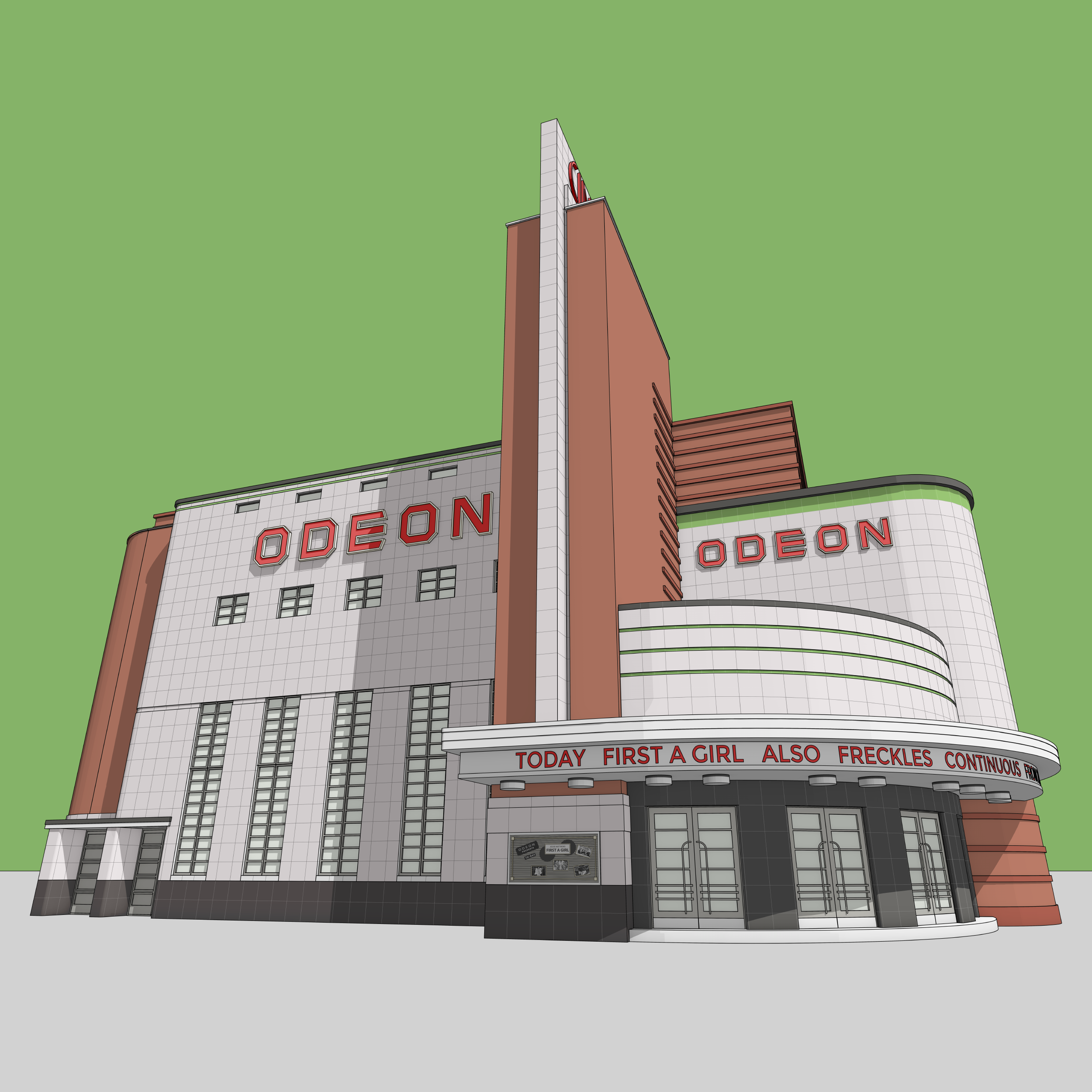
The ODEON cinema at Sutton Coldfield occupies a pivotal place in the history of British cinema architecture. Designed in 1935–36 by Cecil Clavering of the Harry Weedon partnership, it represents the earliest fully realised example of the mature ODEON "house style", a streamlined, Modernist aesthetic that would shape cinema design across Britain throughout the late 1930s.
Clavering drew inspiration from the pioneering Titania-Palast in Berlin. While founder Oscar Deutsch intended ODEON cinemas to promote British film, there is irony in the opening night feature: First a Girl, an English-language remake of the 1933 German hit Viktor und Viktoria (subsequently remade in 1957 and 1982).
When the cinema opened on April 18th, 1936, the opening ceremony was led by the Mayor of Sutton Coldfield, with both Deutsch and Weedon in attendance. Ticket proceeds were donated to local charities, reflecting Deutsch’s ambition to position his cinemas as proud civic institutionsas well as entertainment venues. The groundbreaking design was adapted and refined shortly after at Harrogate, and developed further at Newport.
At some point before its 1998 Grade II listing by Historic England, the central fin was truncated, removing the original illuminated "CINEMA" signage. However, the rest of the building remains intact and remarkably well preserved. It officially ceased to be an ODEON in the early 2000s when it was sold to Empire Cinemas. Following a period of closure, the building was recently refurbished and reopened in July 2024 as the Royal Cinema.
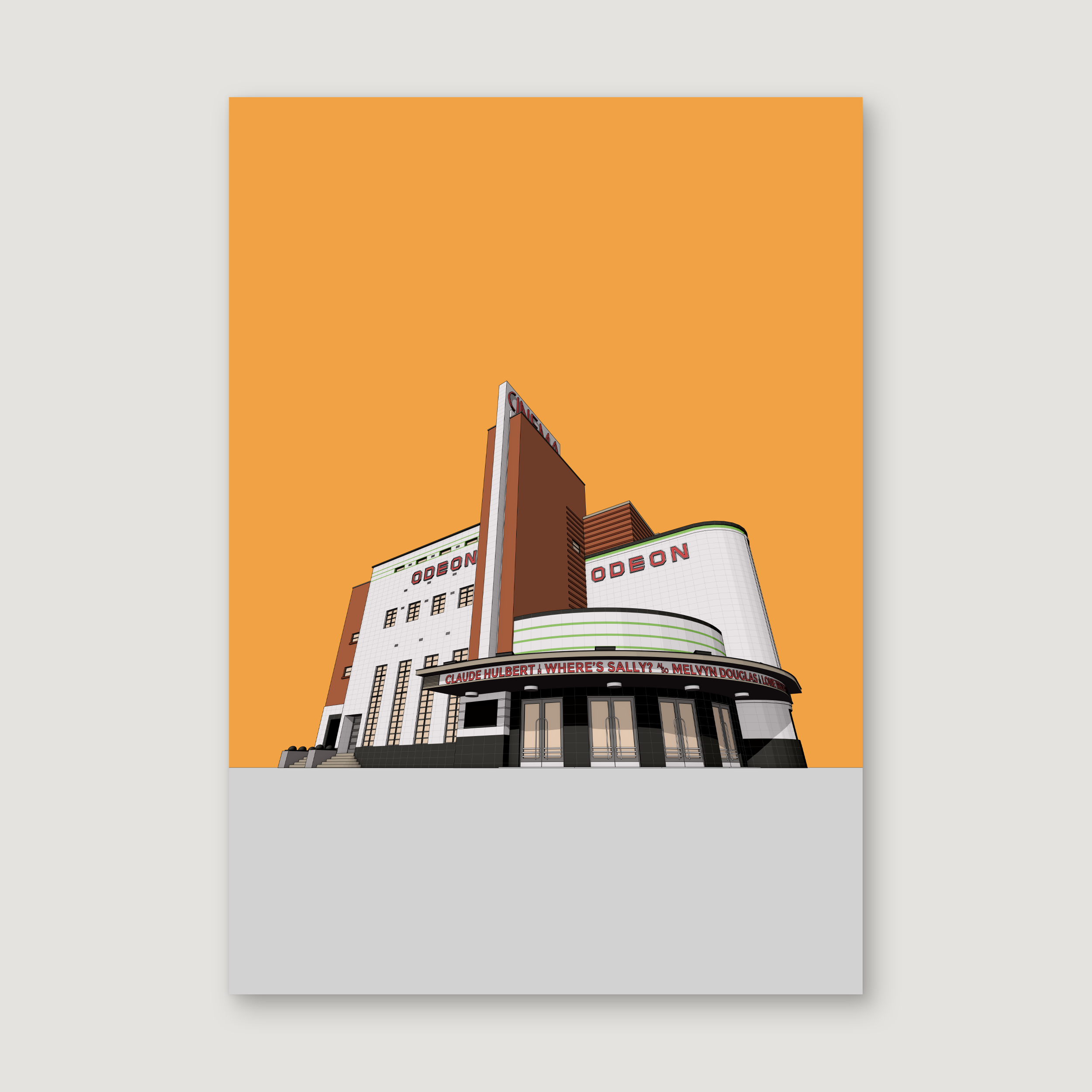
My illustration restores the building to its original 1936 specification, reinstating the tower and crisp signage, celebrating Clavering's iconic architecture and the streamlined geometry that made the Sutton Coldfield ODEON a legend. It is a tribute to the moment British cinema design finally leapt into the future.
Name: ODEON Sutton Coldfield
Architect: Cecil Clavering
Opened: April 18th, 1936
First Film: First a Girl
Capacity: 1,636
Style: Art Deco, Streamline Modernist
All prints are presented on Hahnemühle German etching Giclée paper. Frames are solid wood from sustainable sources, manufactured to high standards.
Sizes available:
A4 - 21×30cm, 8×12"
A3 - 30×42cm, 12×17"
A2 - 42×59cm, 17×23"
A1 - 59×84cm, 23×33"