
 Image 1 of 10
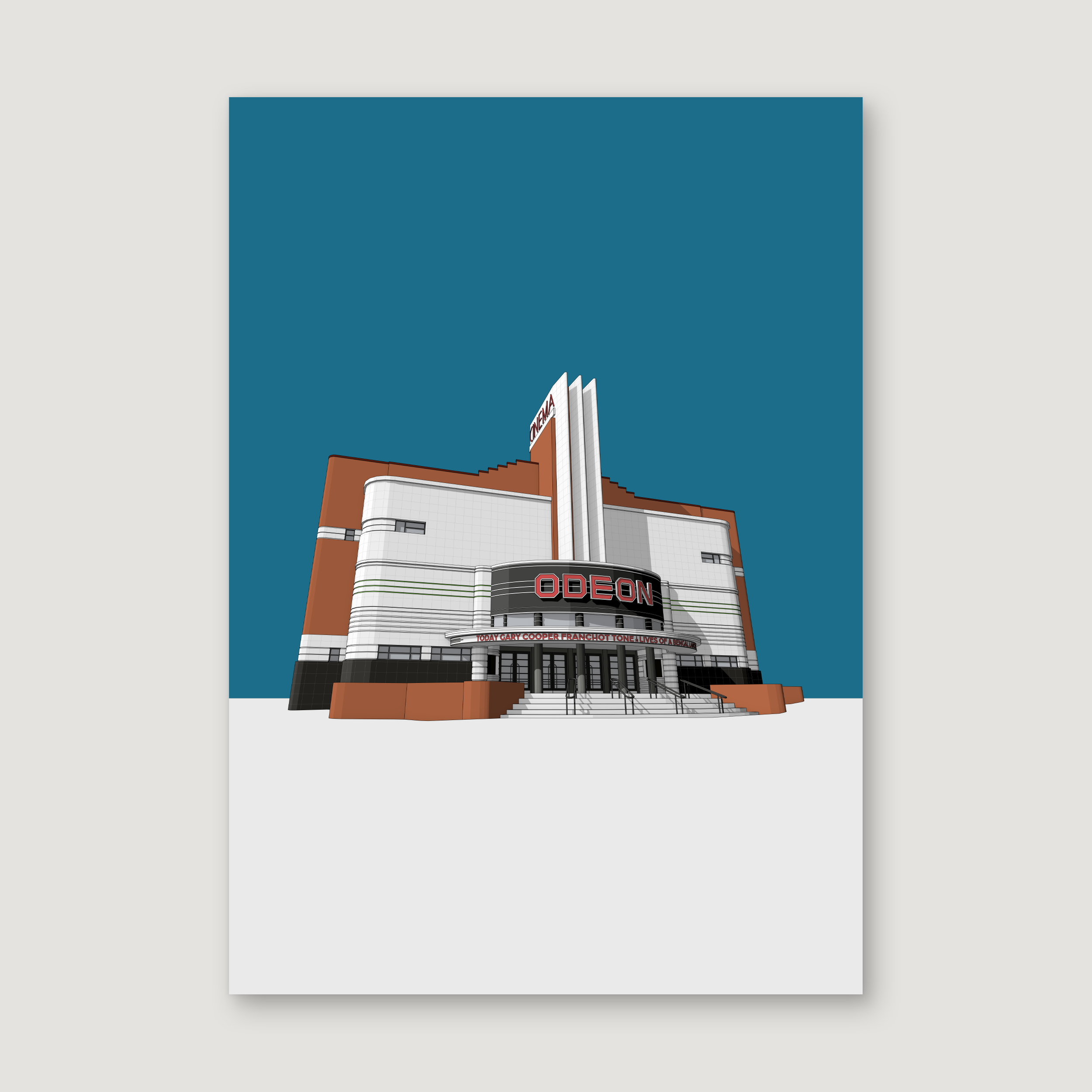 Image 2 of 10
 Image 3 of 10
 Image 4 of 10
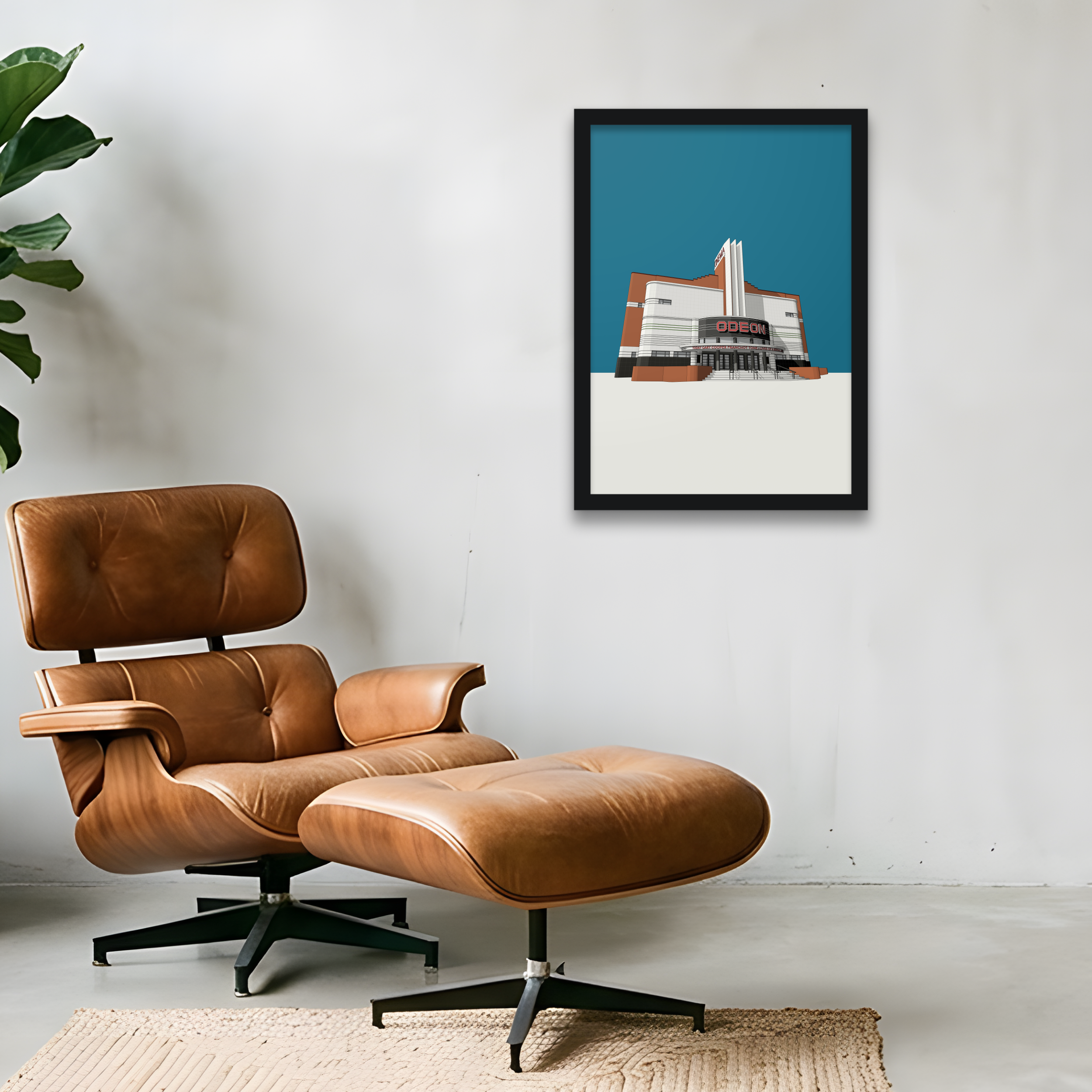 Image 5 of 10
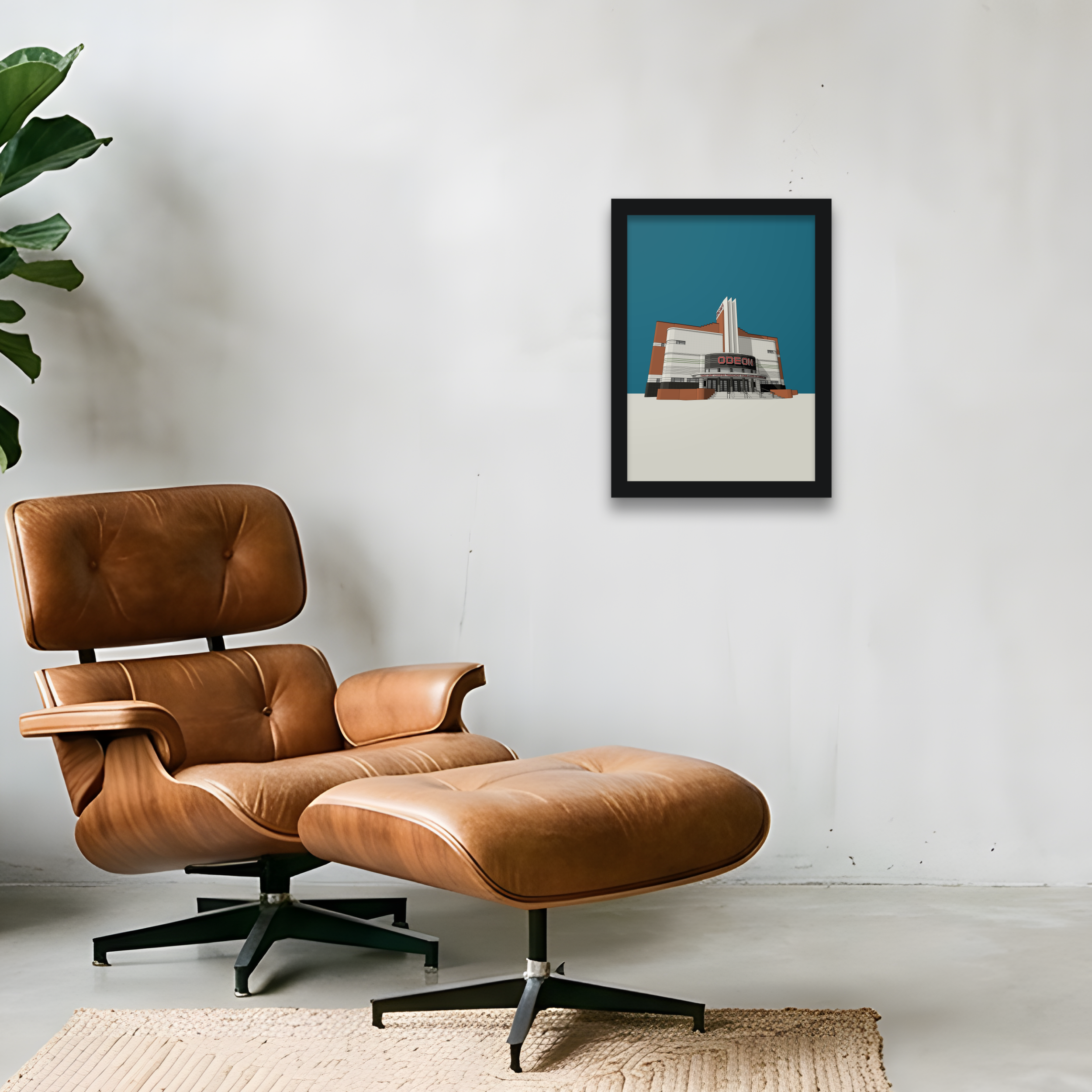 Image 6 of 10
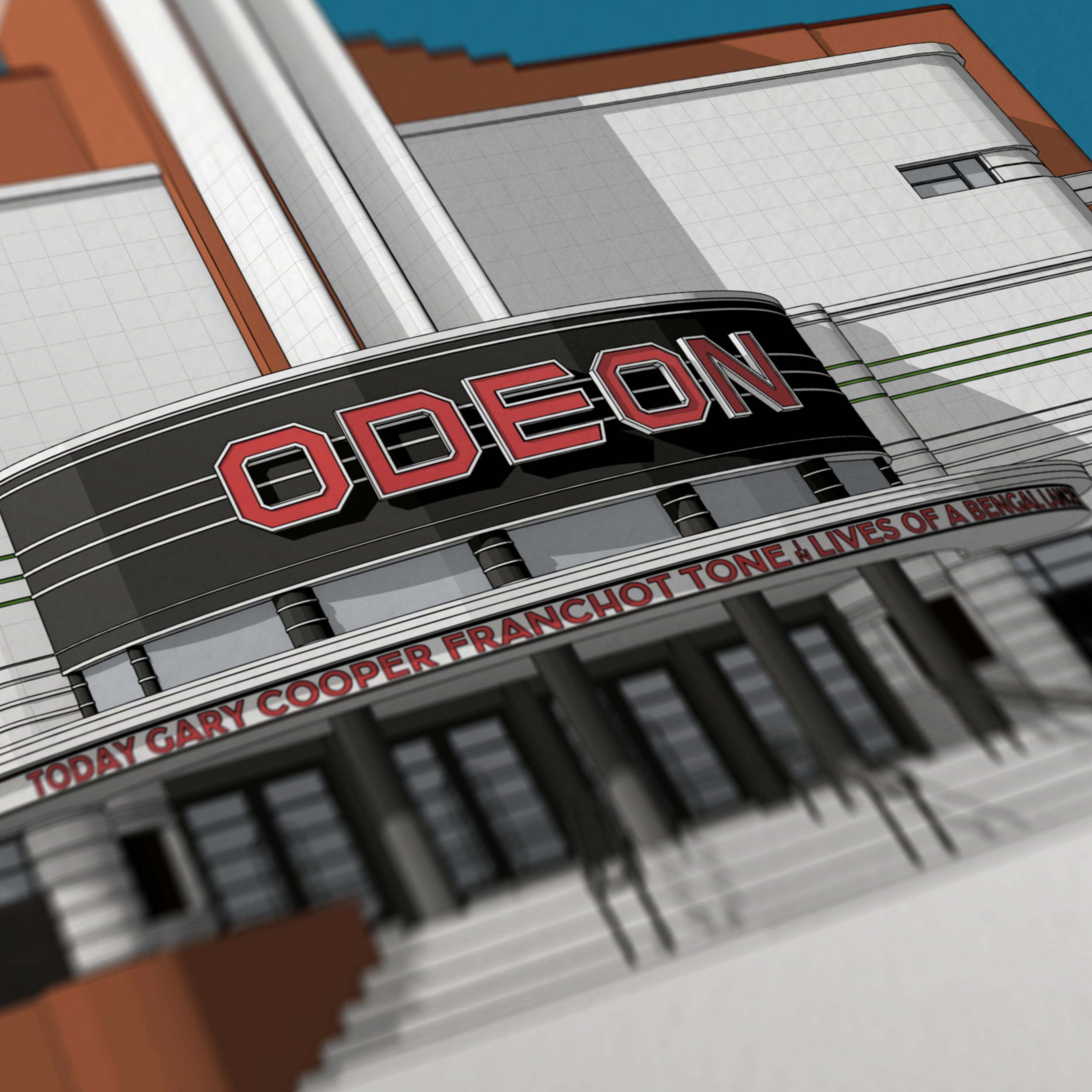 Image 7 of 10
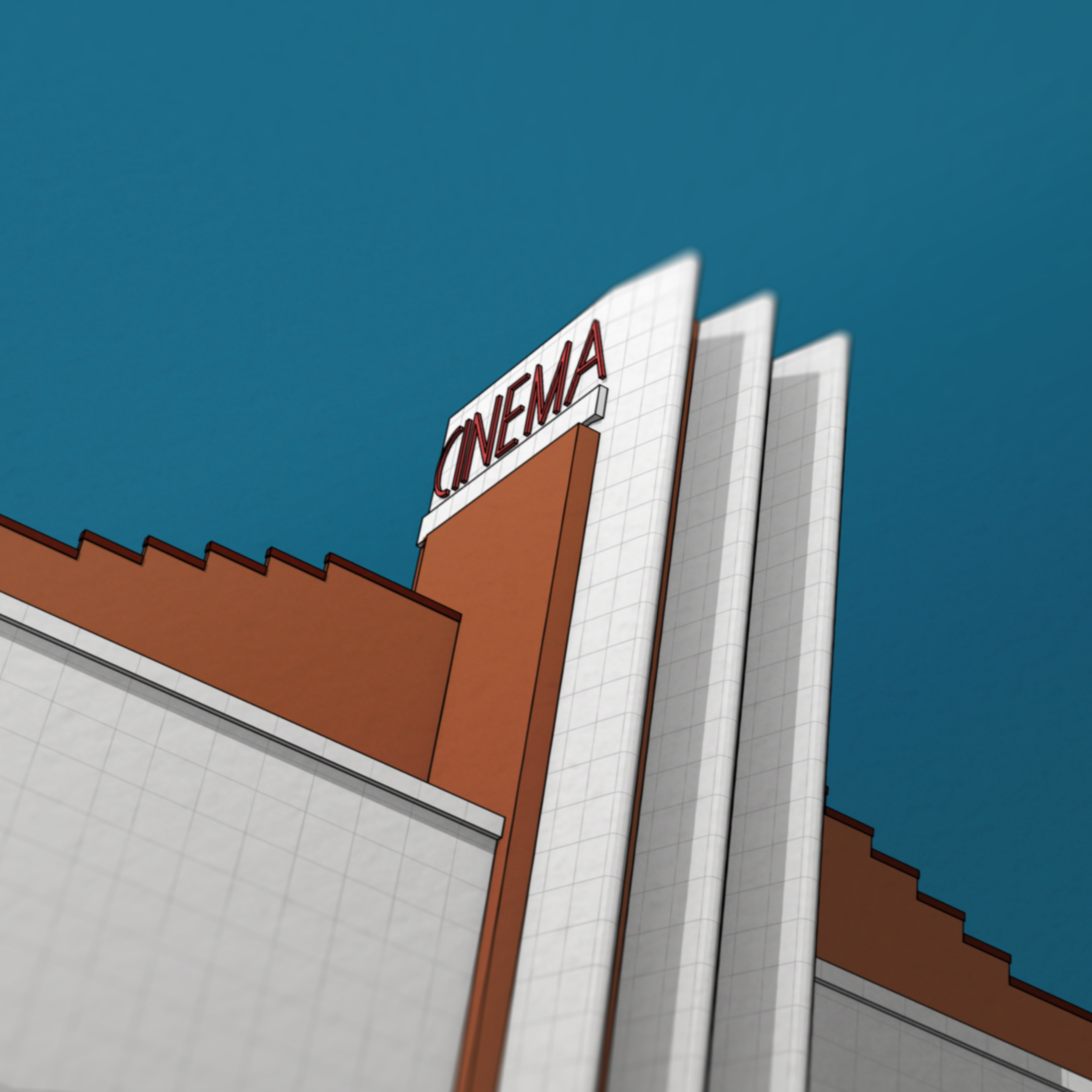 Image 8 of 10
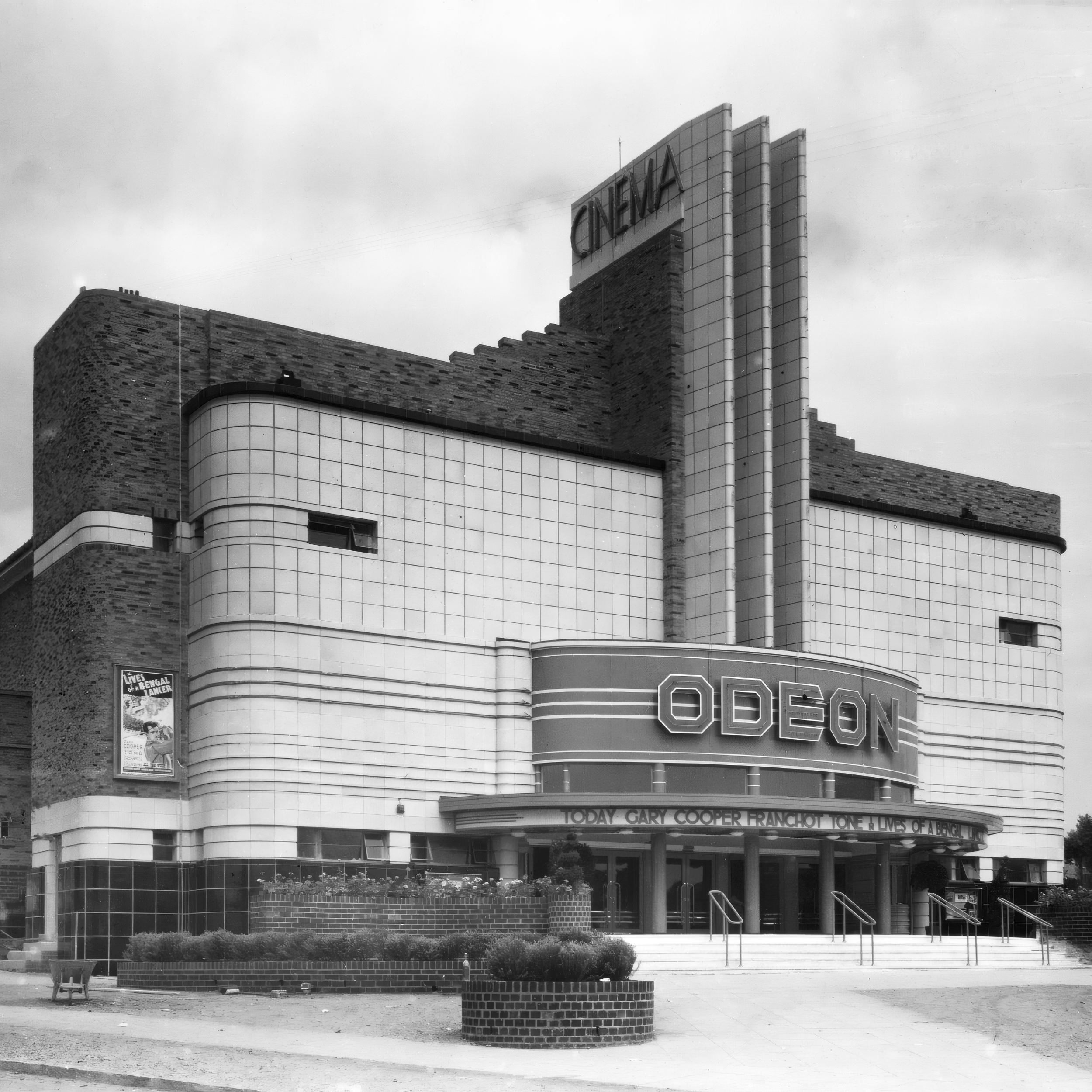 Image 9 of 10
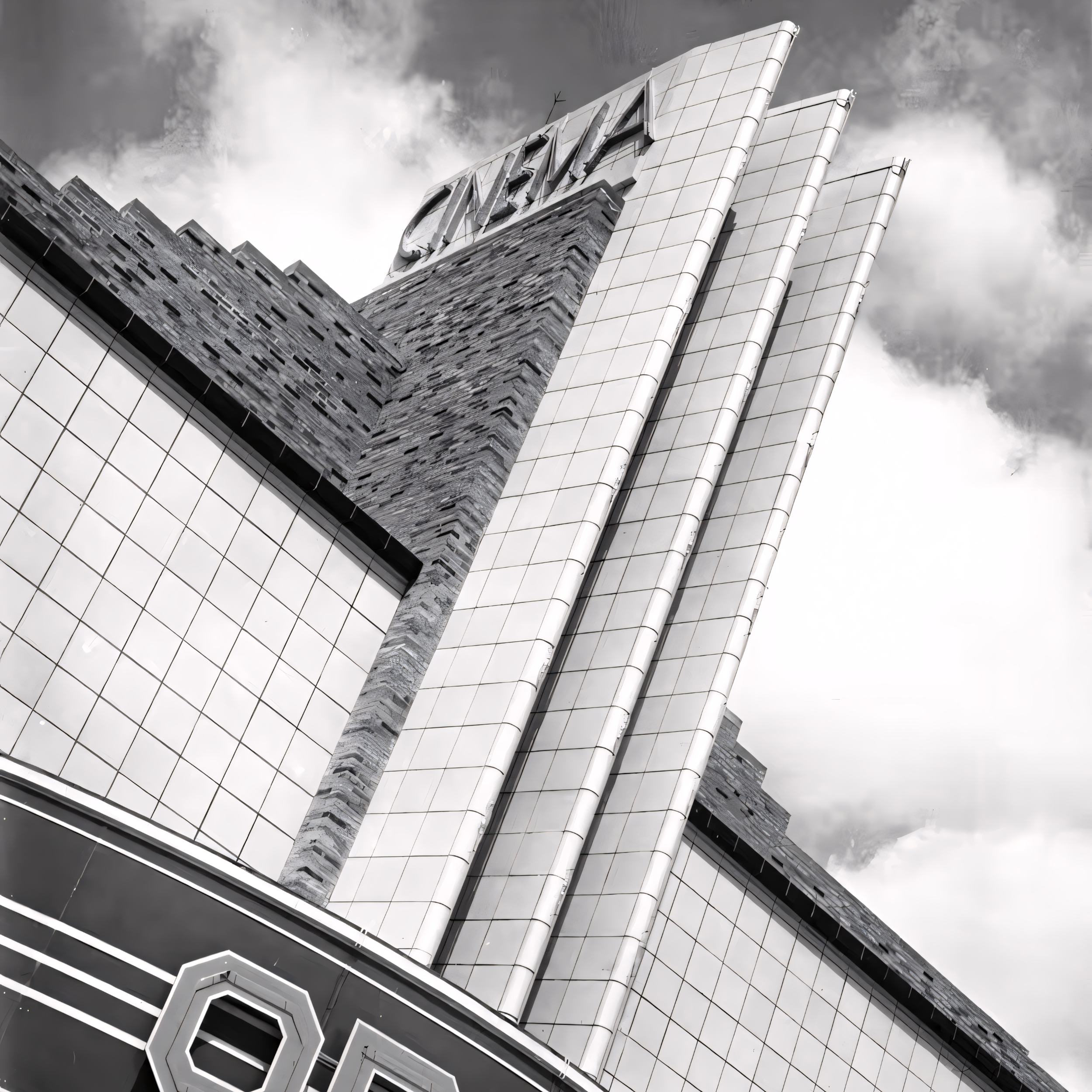 Image 10 of 10
About ODEON Kingstanding
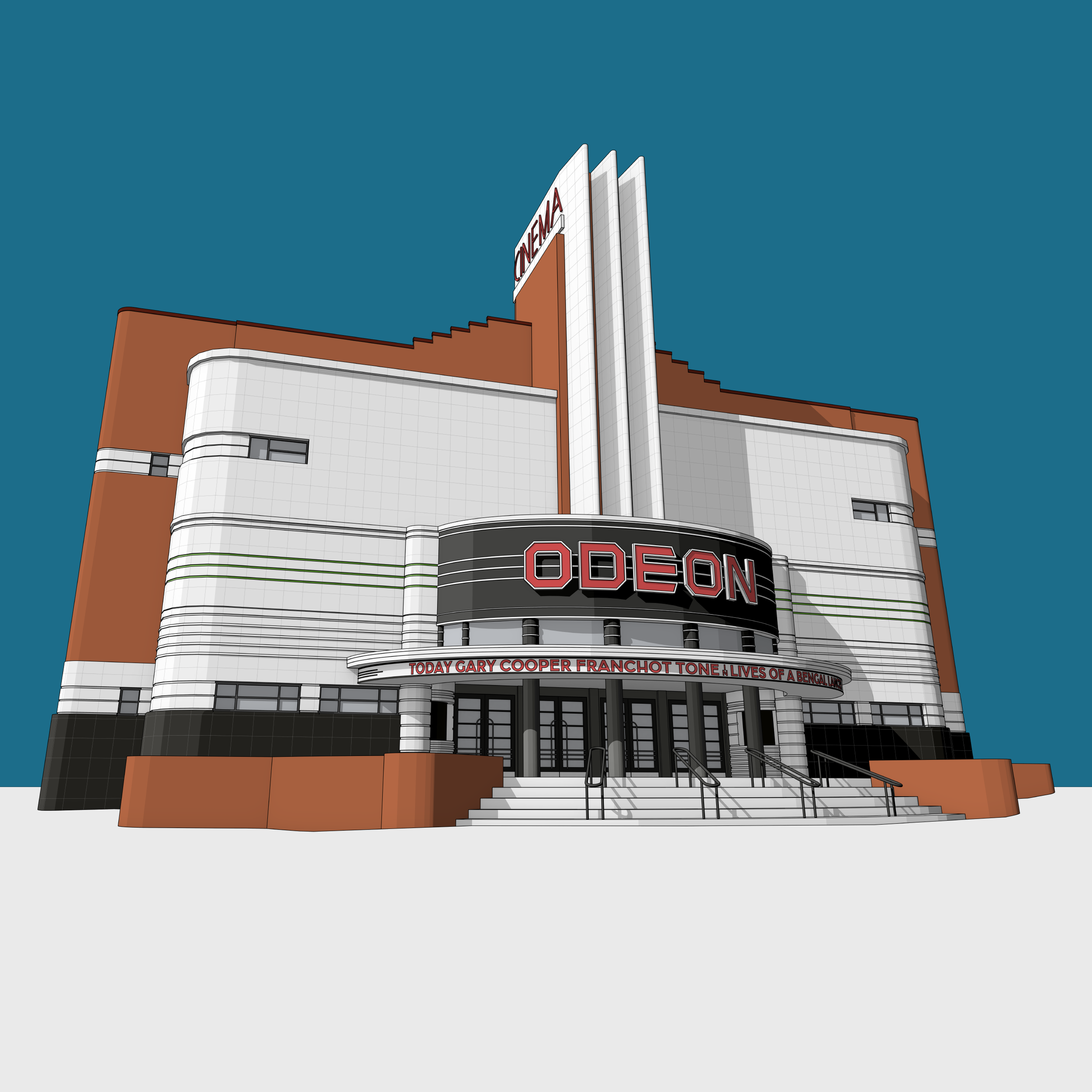
The ODEON Kingstanding is one of the most important and influential examples of 1930s cinema architecture in Britain. Located at a prominent convergence of six roads in north Birmingham, it was built to serve a rapidly expanding council estate of 4,000 working-class homes.
Though it became the definitive blueprint for Oscar Deutsch’s famous "ODEON House Style," the project was originally commissioned as an independent venue called "The Beacon" by a cinema-building newcomer, B. G. Vale. Deutsch bought out the scheme mid-construction, handing it to the brilliant 24-year-old J. Cecil Clavering, working within Harry Weedon's practice. Clavering delivered a masterpiece of European-inspired Modernism that set the architectural benchmark for an entire industry.
Here, Clavering laid down the precise conventions that would define a generation of picture houses, both within and outside of the ODEON circuit. The design contrasted a main body of rugged brown brick with a towering central facade of cream faïence tiles set upon a black ceramic base. Accented with green horizontal stripes, its defining feature was a trio of slender vertical fins rising above a stepped brick parapet. Inspired by the Dreamland cinema in Margate, this tower acted as a beacon designed to advertise the venue for miles.
The ODEON opened on the 22nd of July 1935, treating crowds to Gary Cooper in The Lives of a Bengal Lancer. For 27 years, it offered affordable glamour before closing on the 1st of December 1962 with Audie Murphy’s To Hell and Back. Just four days later, it reopened as a Top Rank Bingo Club, eventually transitioning into a Mecca Bingo. In recognition of its status in establishing a cinematic empire, English Heritage granted the building Grade II listed status in October 1980. Sadly, Mecca Bingo has recently announced that, due to rising maintenance costs, the building will close permanently in June 2026.
To preserve the heritage of this suburban landmark, my illustration recreates its original appearance. Drawing on historical research, my work captures the building exactly as it stood in its opening week in 1935. Reinstating the crisp lustre of the original faïence tiles and the iconic red signage, and removing decades of wear and tear, this recreation celebrates the pure, unaltered vision of Clavering and Weedon’s masterpiece.
Name: ODEON Kingstanding
Architect: J. Cecil Clavering
Opened: July 22nd 1935
First Film: The Lives of a Bengal Lancer
Closed: December 1st 1962
Last Film: To Hell and Back
Original Capacity: 1,292 seats
Style: Streamline Moderne, Art Deco
Status: Grade II Listed
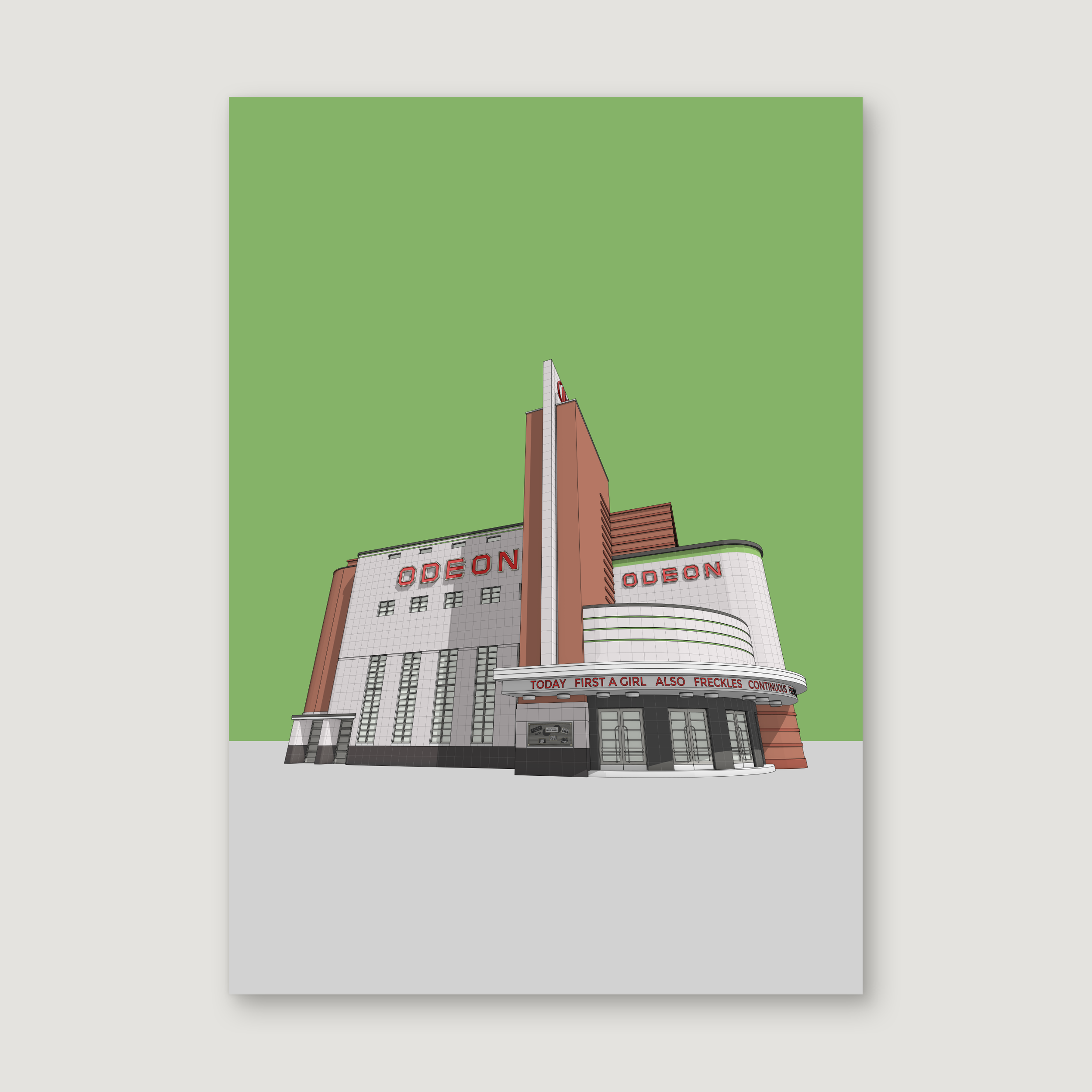
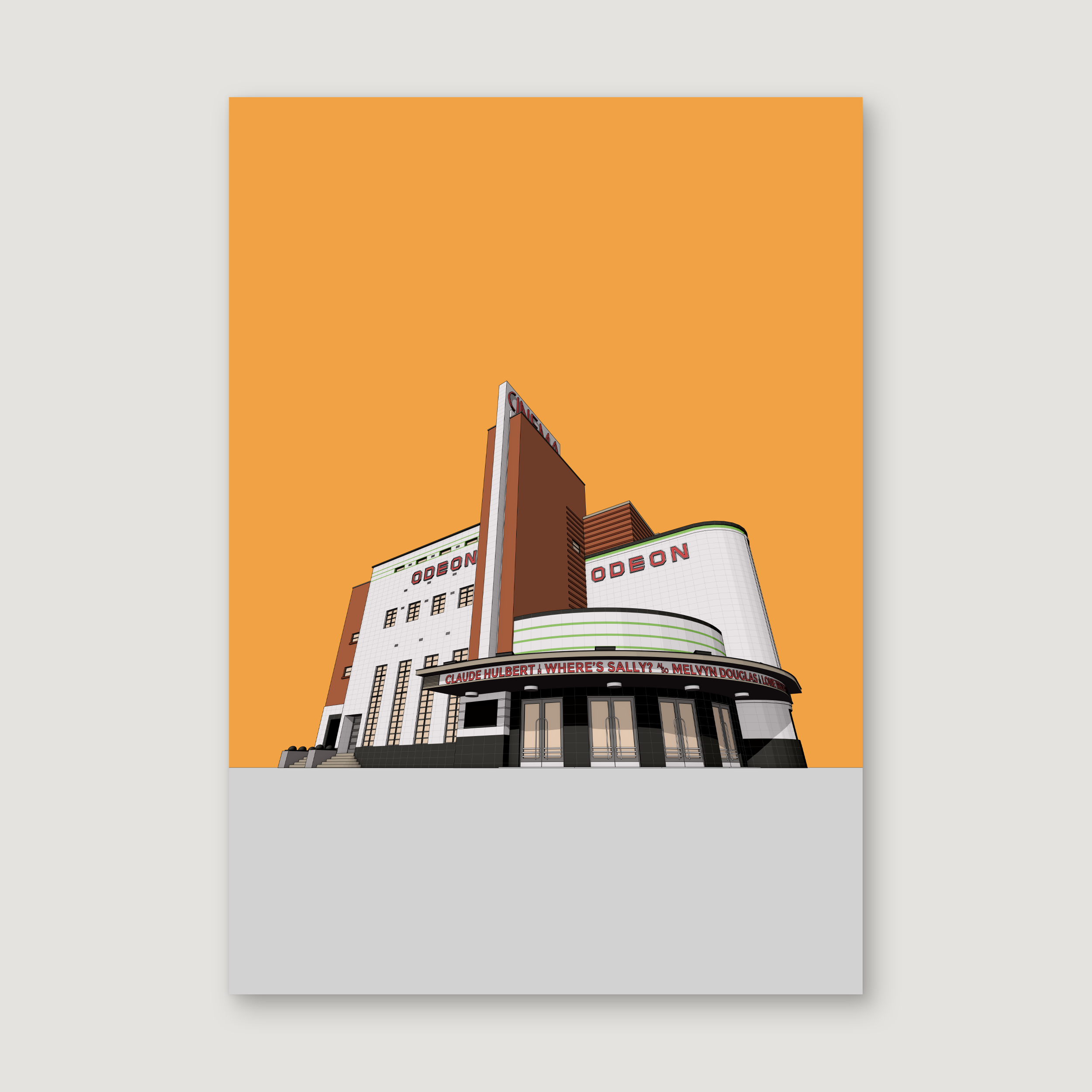
All prints are presented on Hahnemühle German etching Giclée paper. Frames are solid wood from sustainable sources, manufactured to high standards.
Sizes available:
A4 - 21×30cm, 8×12"
A3 - 30×42cm, 12×17"
A2 - 42×59cm, 17×23"
A1 - 59×84cm, 23×33"