
 Image 1 of 10
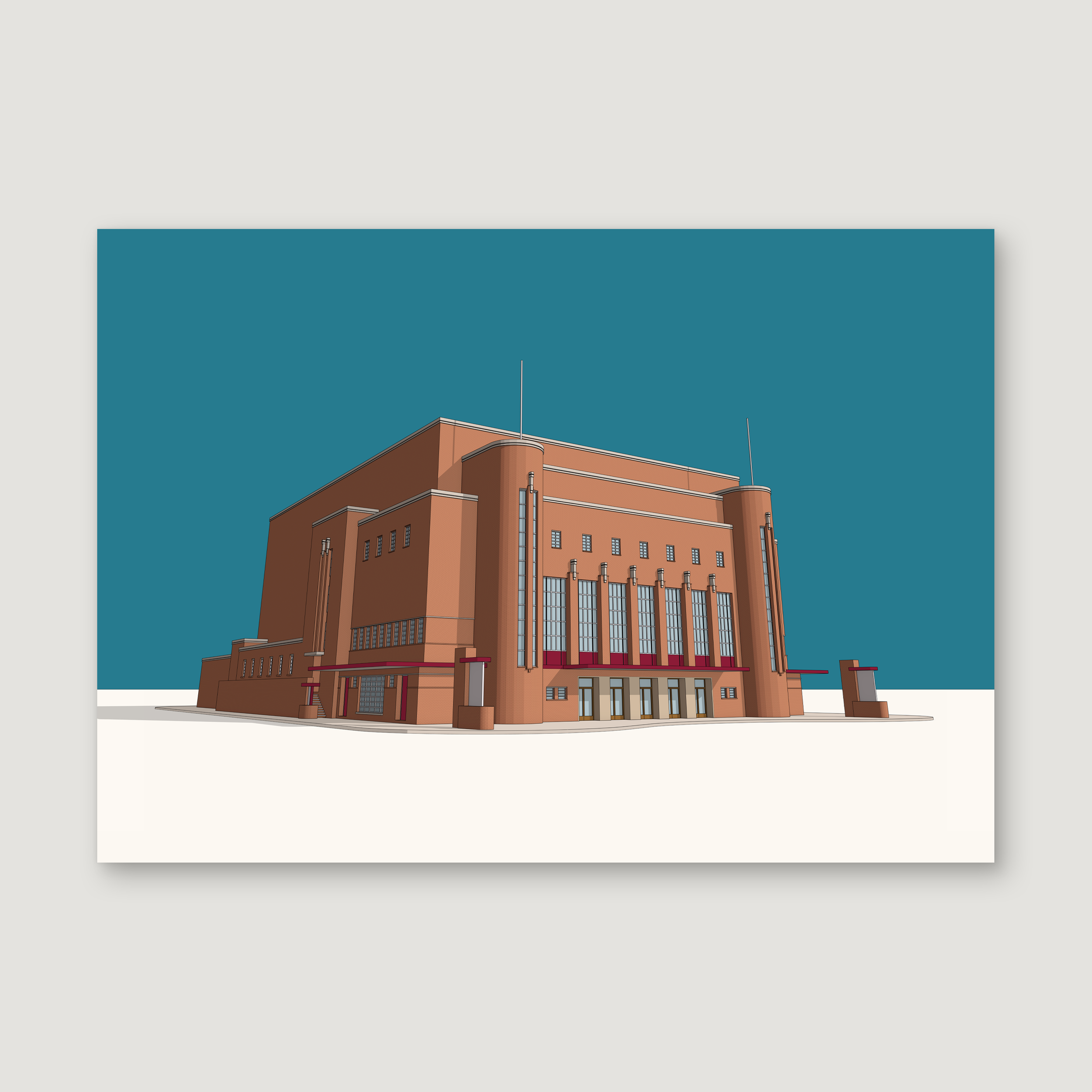 Image 2 of 10
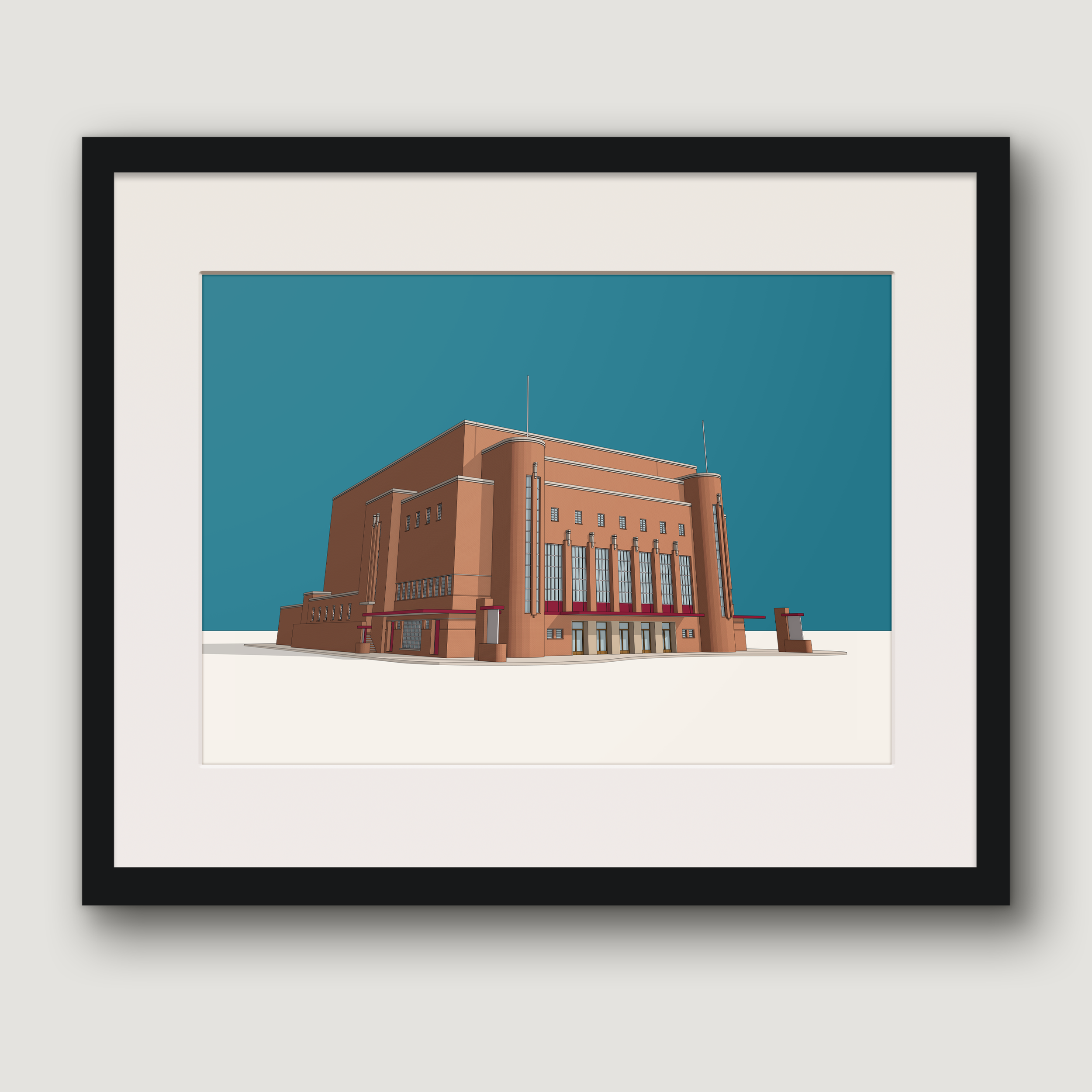 Image 3 of 10
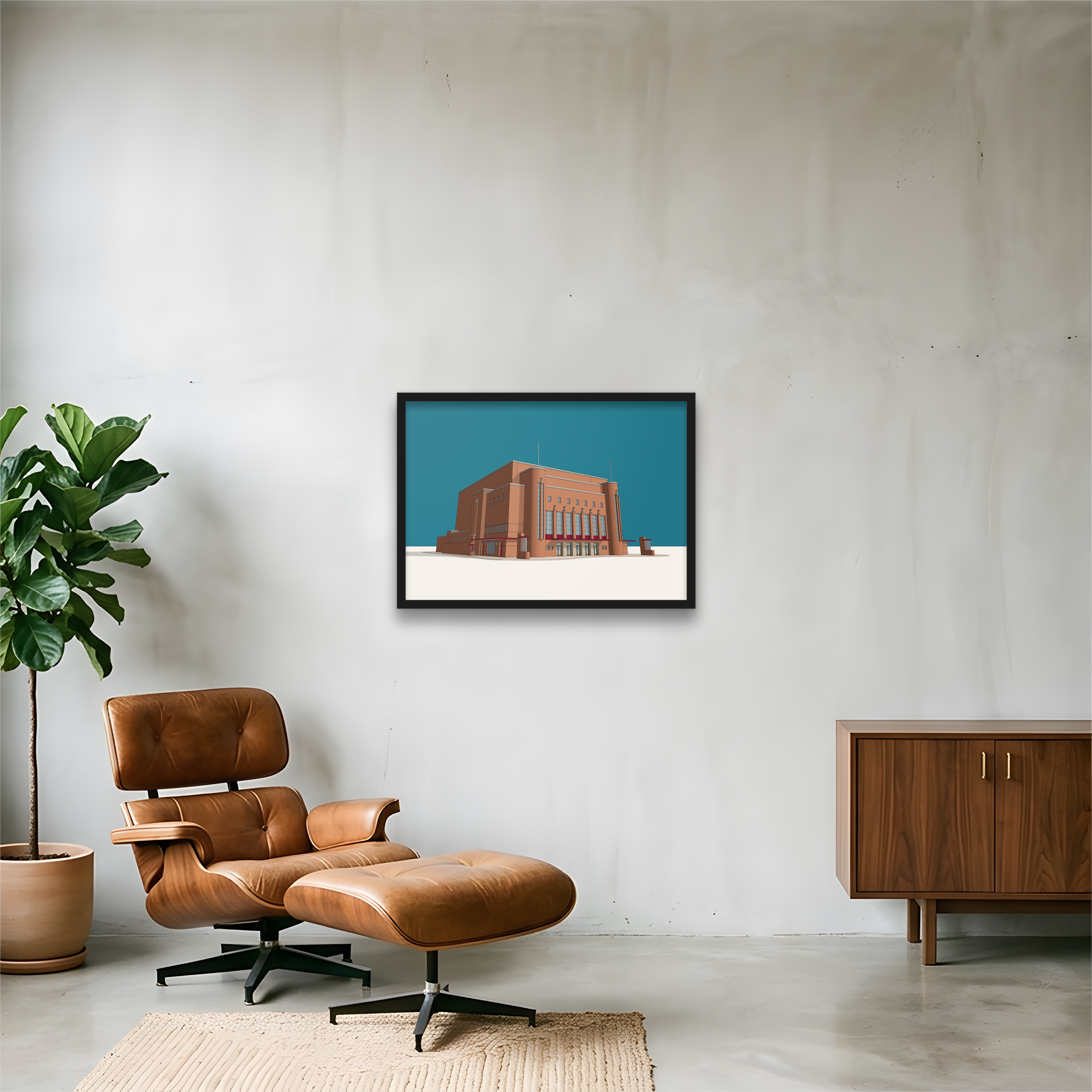 Image 4 of 10
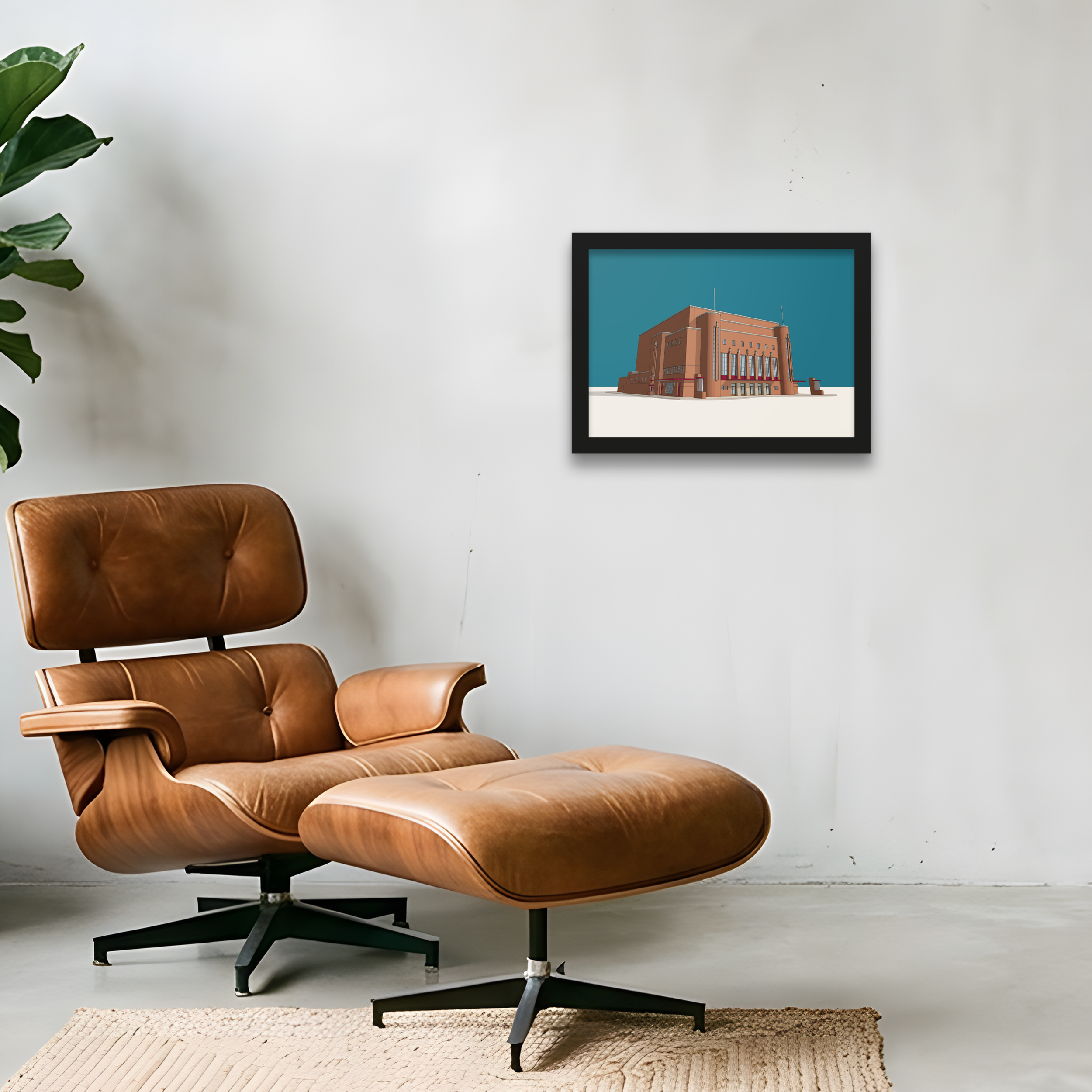 Image 5 of 10
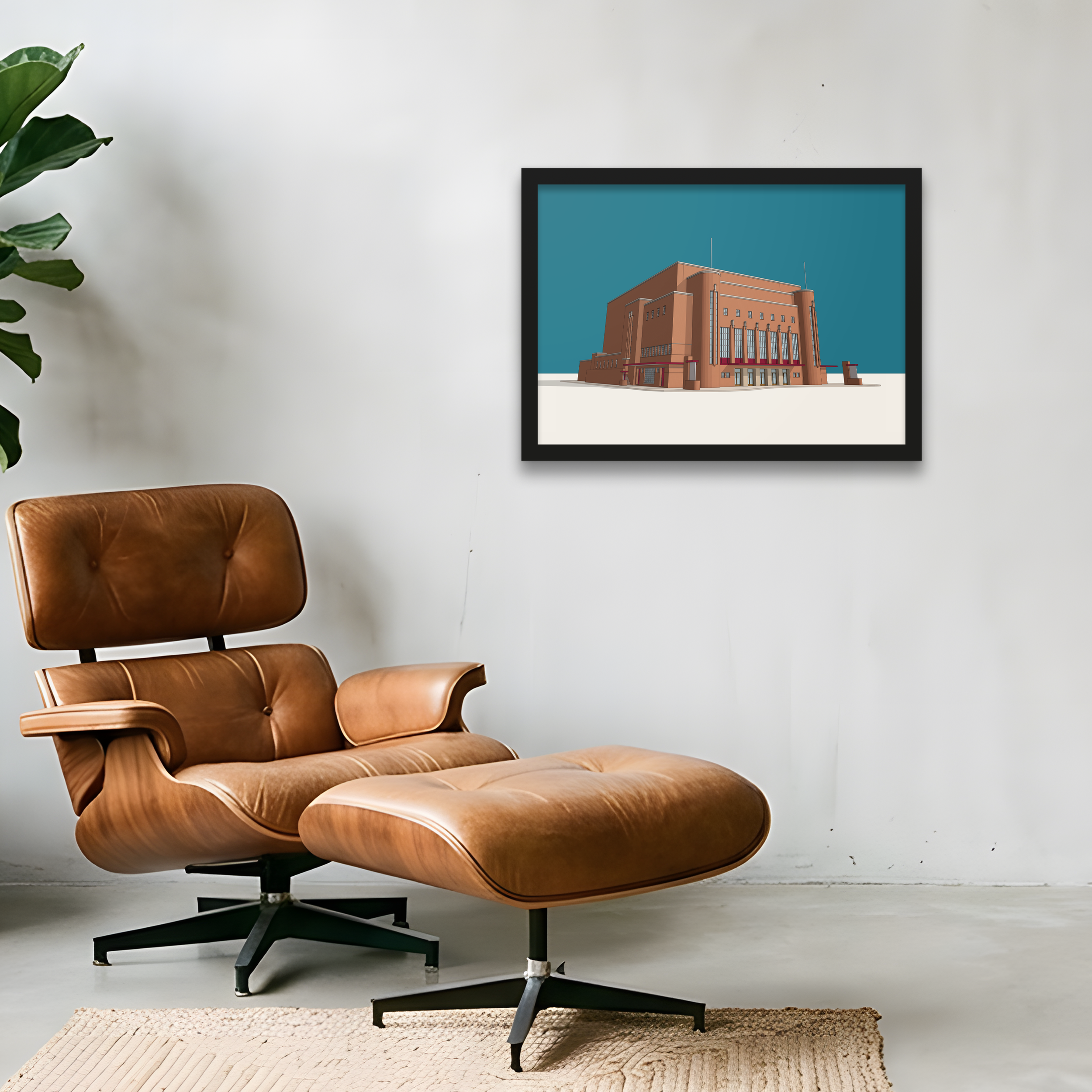 Image 6 of 10
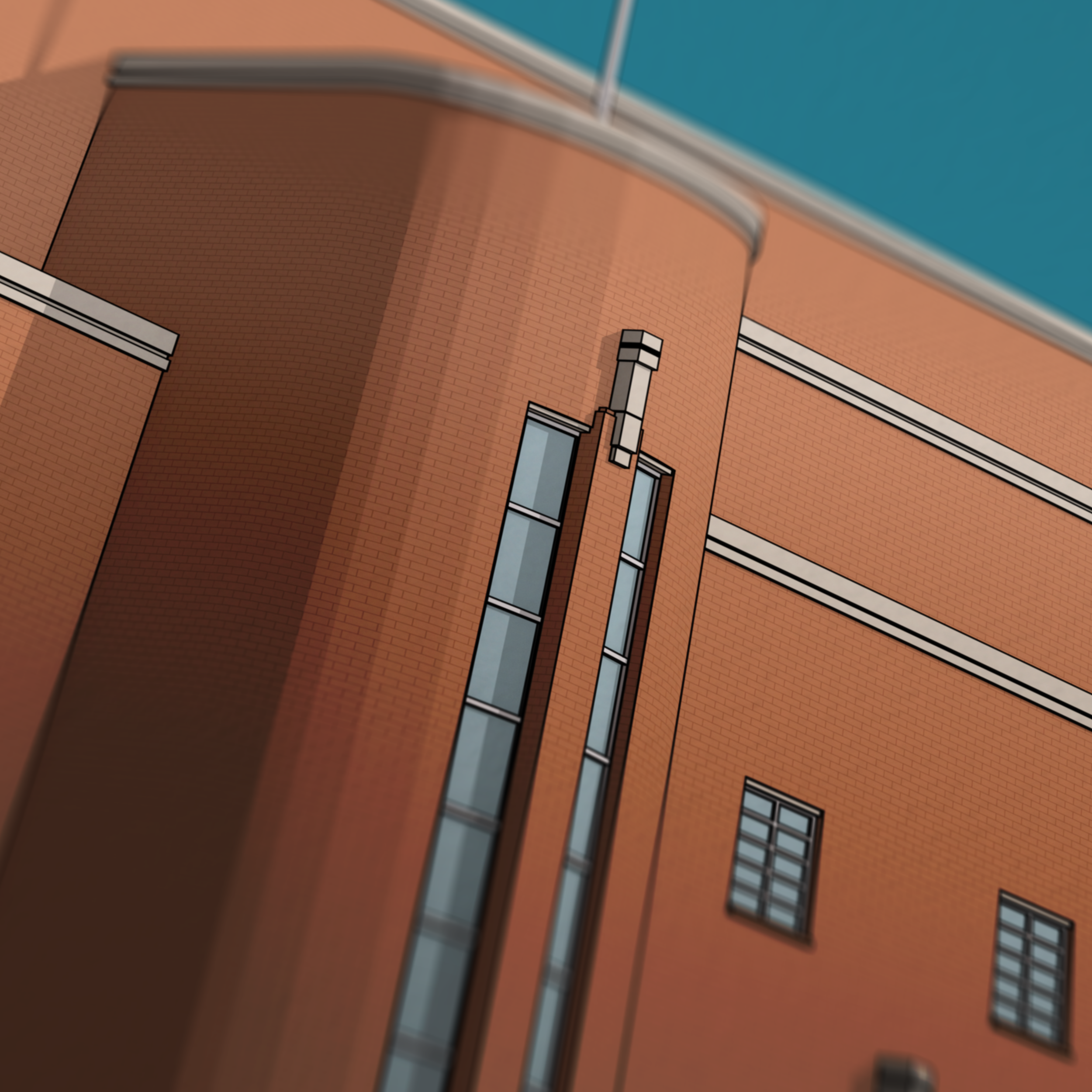 Image 7 of 10
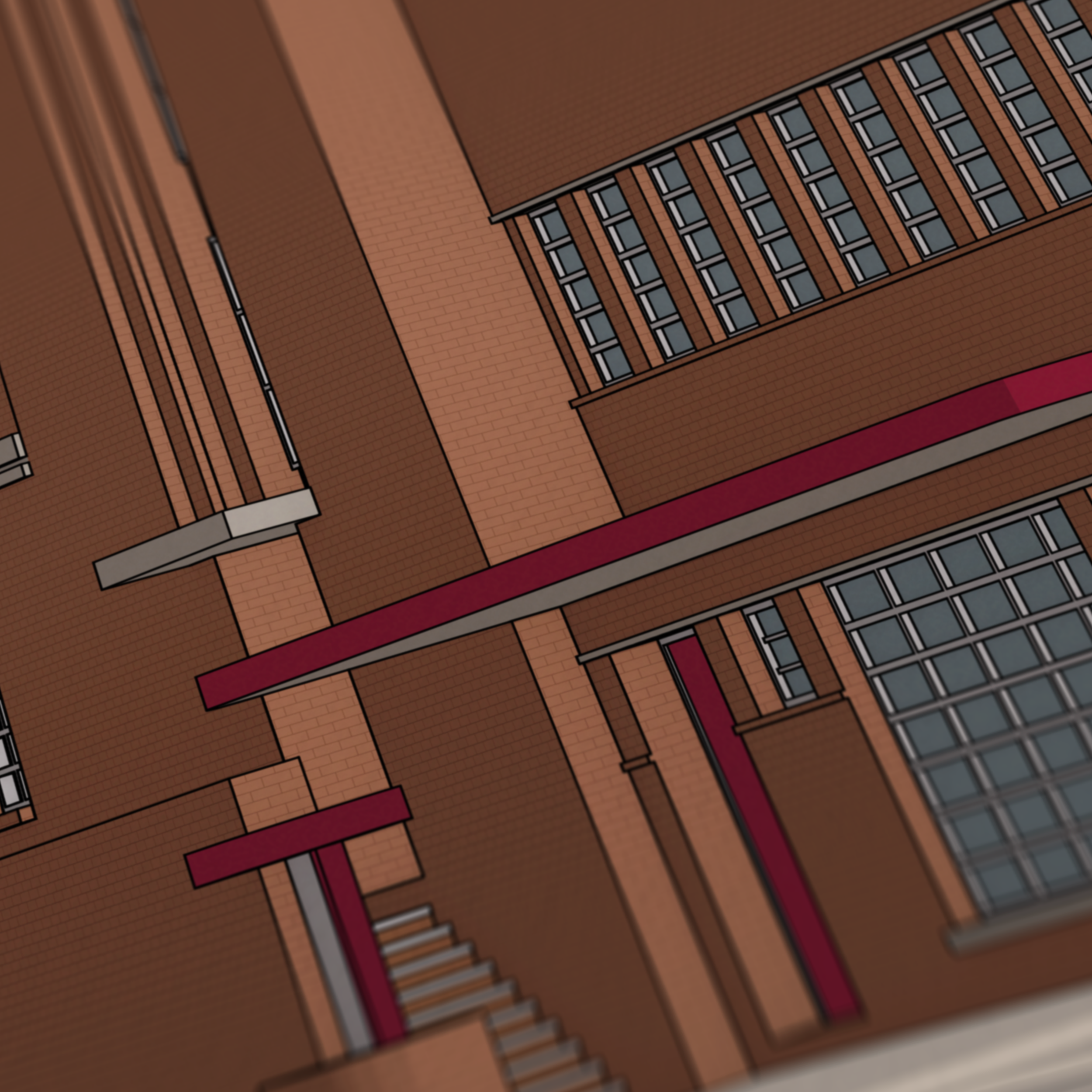 Image 8 of 10
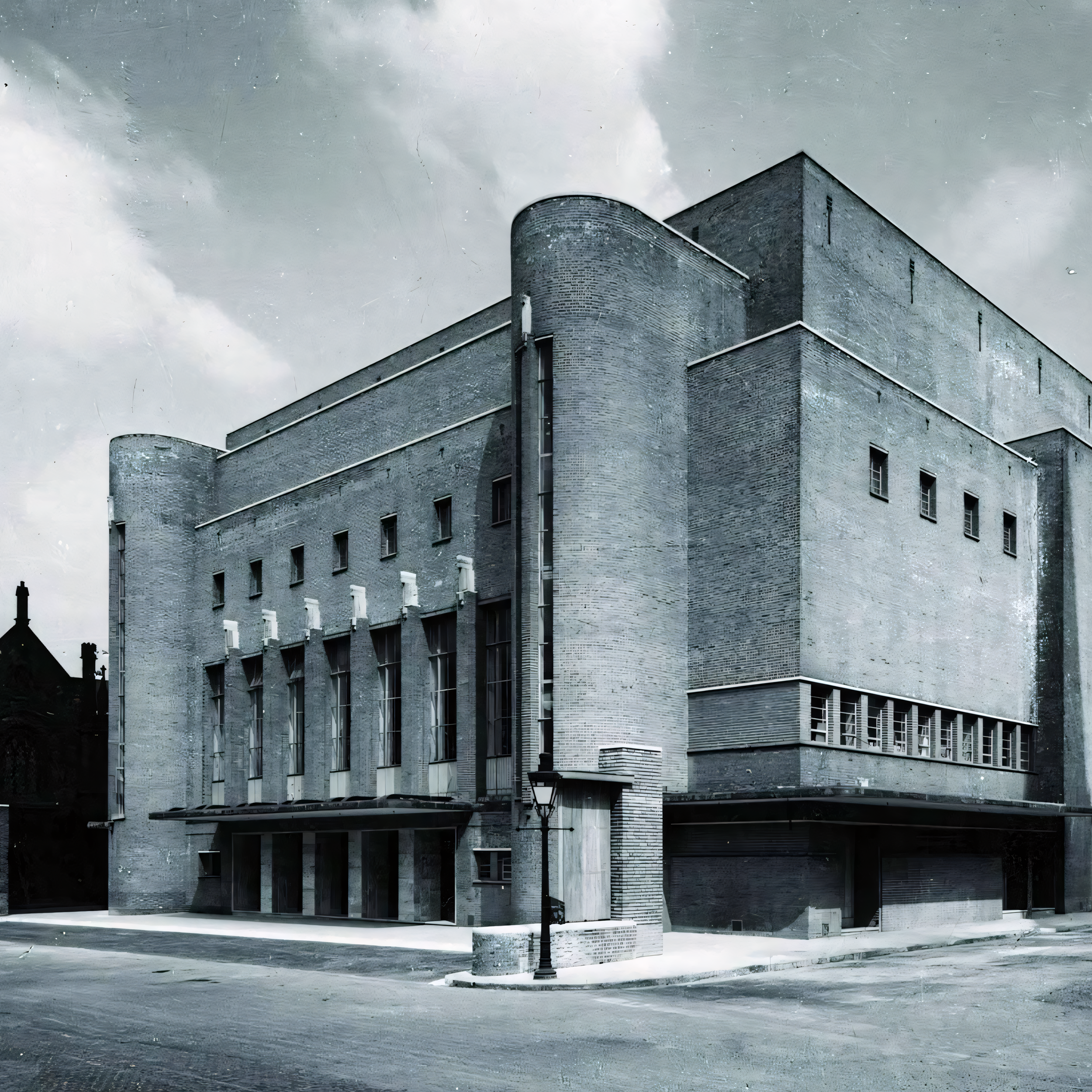 Image 9 of 10
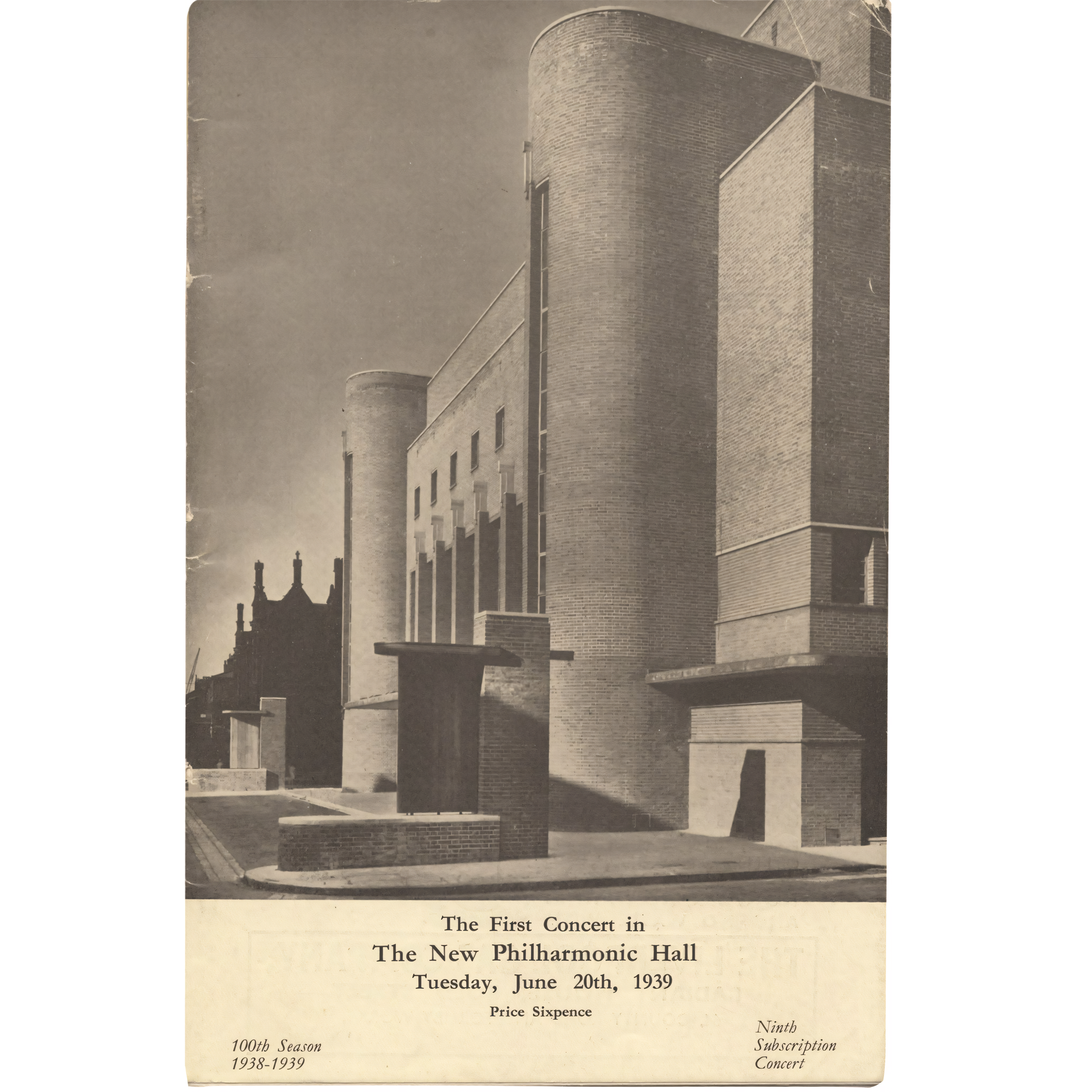 Image 10 of 10
About Liverpool Philharmonic Hall
Right, let's try and class this joint up with some culture.
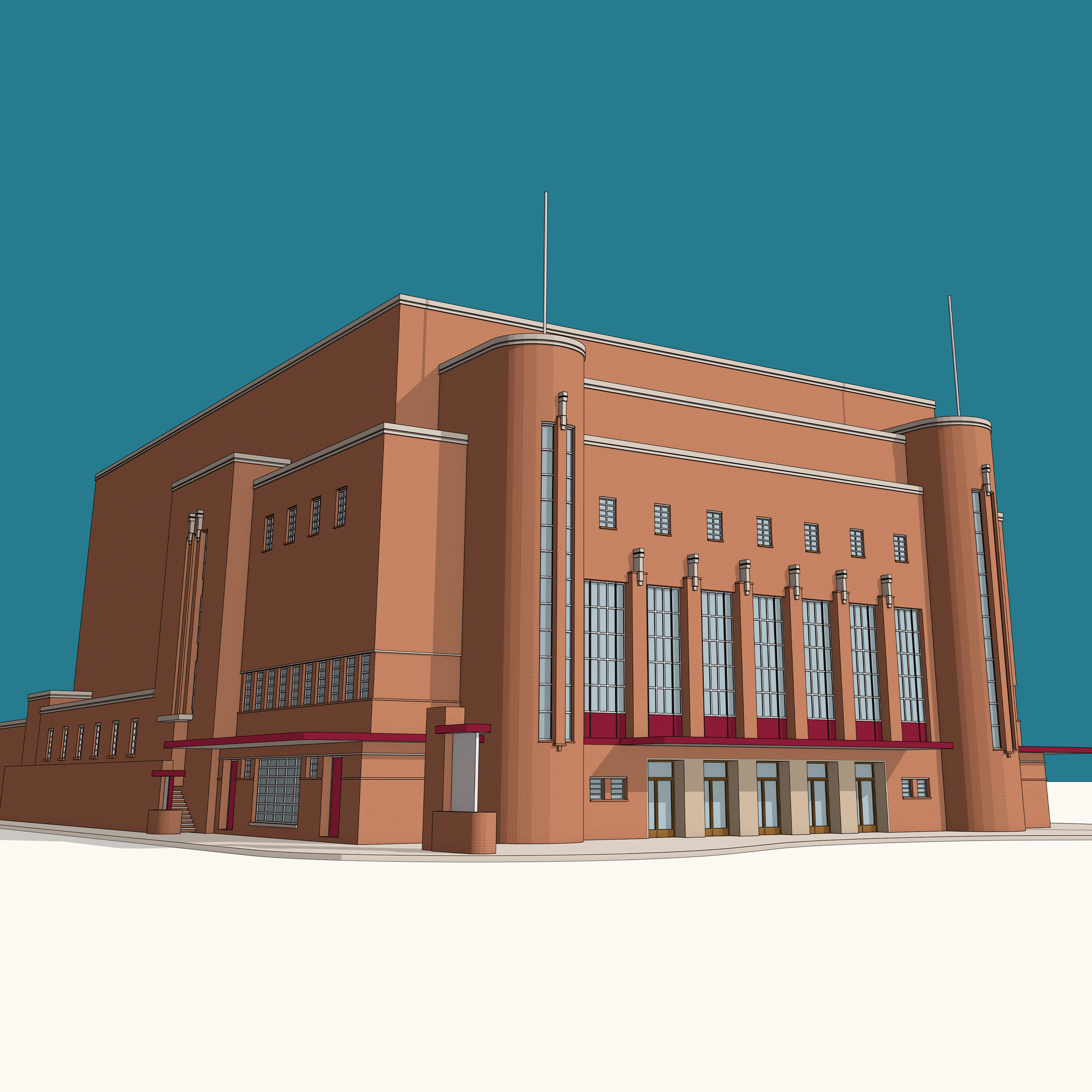
My new artwork is Liverpool Philharmonic Hall.
Designed by Herbert J. Rowse, architect of the India Buildings and the Queensway Tunnel, the Liverpool Philharmonic Hall replaced the original 1849 hall destroyed by fire in 1933.
Rowse embraced a Dutch-influenced Art Deco aesthetic, cladding the exterior in over 500,000 golden-brown Dutch bricks. The building was designed from the inside out for sound. Rowse collaborated with pioneering acoustics consultant Hope Bagenal to engineer a revolutionary 1930s auditorium. Bagenal’s innovative sweeping curves and wall treatments achieved legendary acoustic warmth and clarity, establishing one of the world's finest listening environments without relying on heavy drapery or artificial amplification. The acoustics proved so effective that touring performers, including Tony Bennett, famously put down their microphones to sing unamplified to the back row.
The new hall was officially opened on 19 June 1939 by Princess Marina, Duchess of Kent, with the inaugural concert taking place the following evening. Conducted by Sir Thomas Beecham, the Liverpool Philharmonic Orchestra performed a splendid programme works by Handel, Weber, Elgar, Tchaikovsky, Grieg, and Beethoven. Tickets cost sixpence.
During World War II, the hall served as a refuge for Liverpool residents seeking respite from bombing raids. Since then, the hall has hosted performances by some of the world’s most acclaimed musicians and conductors, as well as world premieres by composers such as Sir Peter Maxwell Davies, Sir John Tavener and Michael Nyman. This Grade II* listed building is recognised as one of the finest concert halls in the United Kingdom and stands as an enduring symbol of cultural heritage in the city.
Name: Liverpool Philharmonic Hall
Architect: Herbert J. Rowse
Acoustic consultant: Hope Bagenal
Opened: 19th June 1939
Inaugural concert programme: Conducted by Sir Thomas Beecham with the Liverpool Philharmonic Orchestra, featuring works by Handel, Weber, Elgar, Tchaikovsky, Grieg, and Beethoven
Original capacity: 1,790
Heritage status: Grade II* Listed
Style: Art Deco, Streamline Moderne
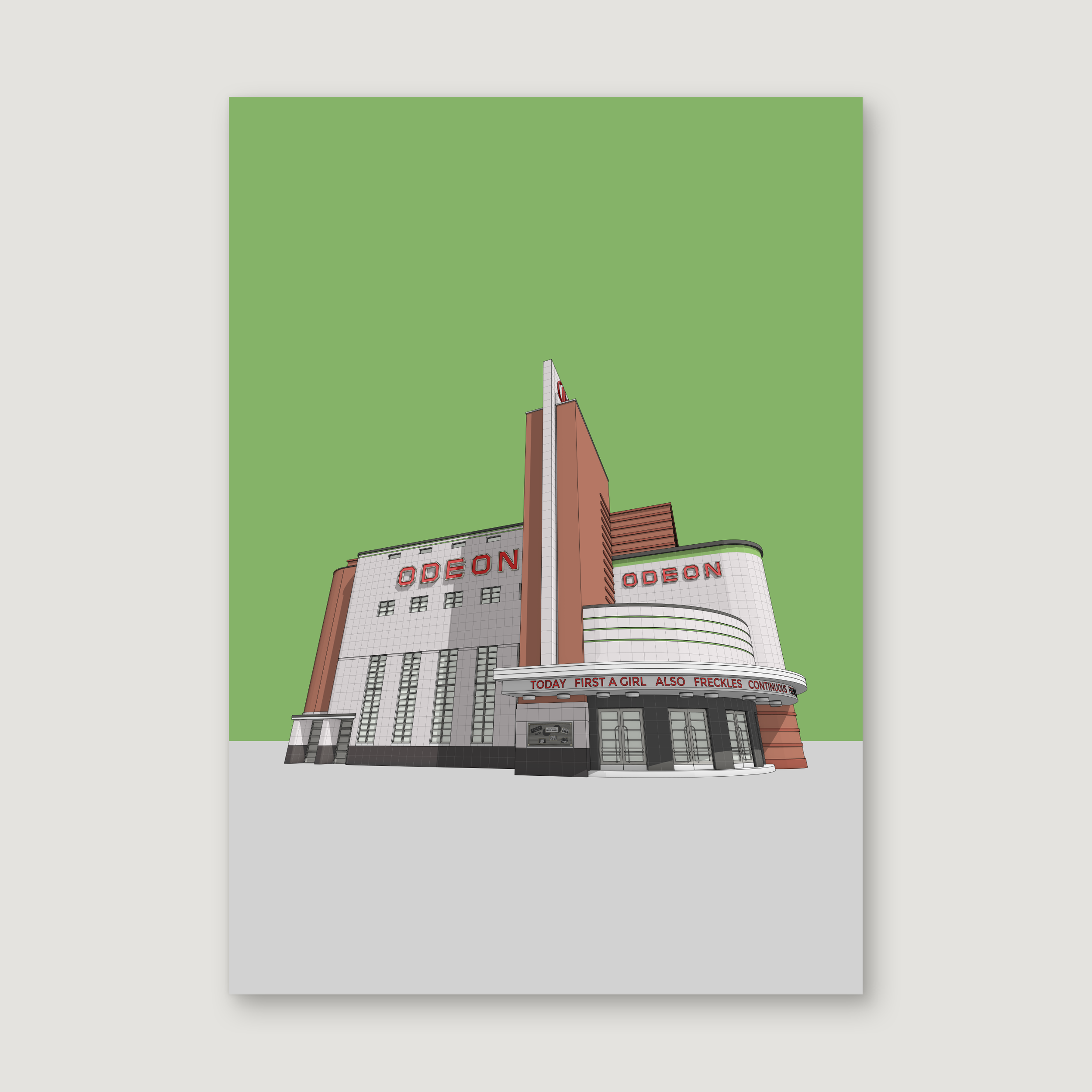
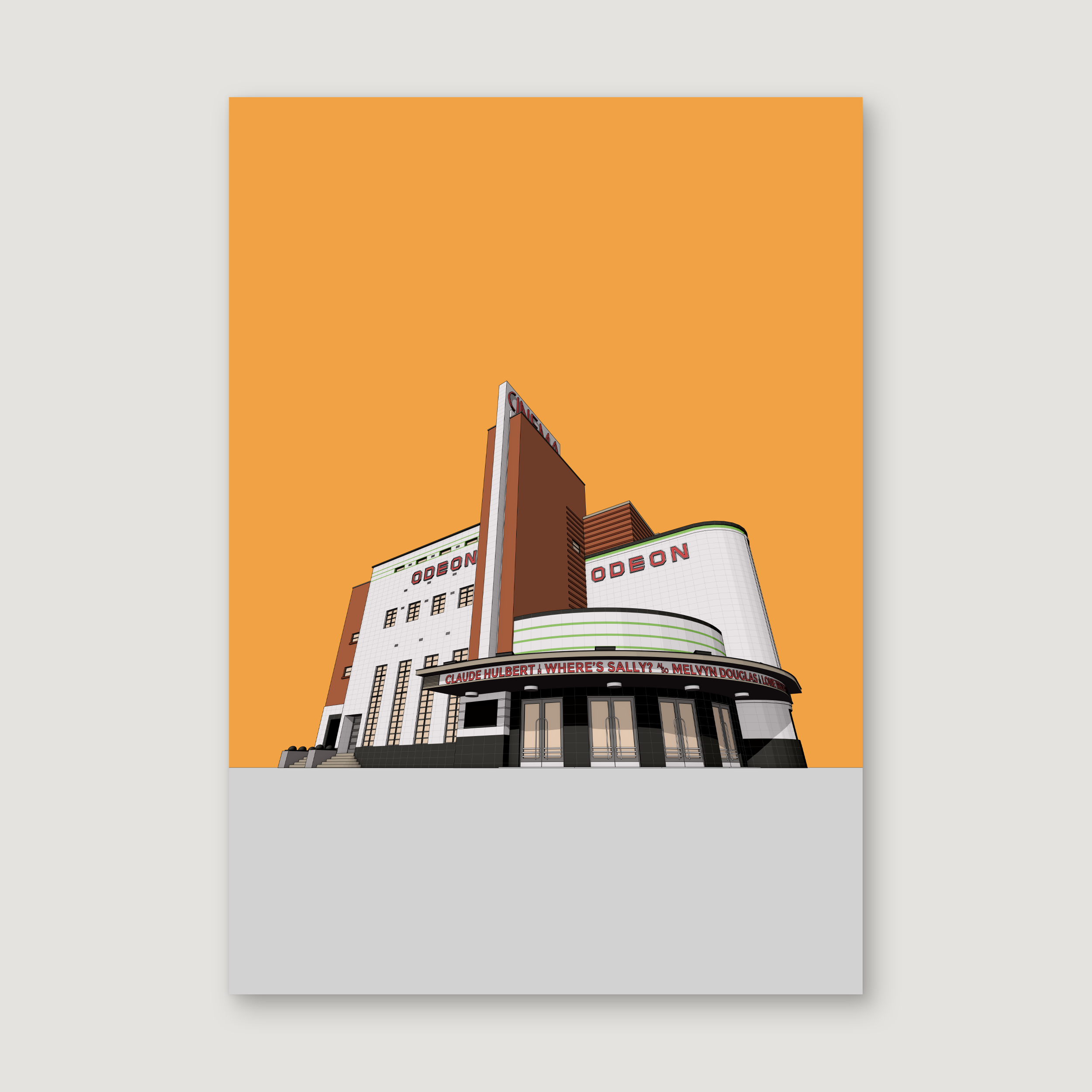
All prints are presented on Hahnemühle German etching Giclée paper. Frames are solid wood from sustainable sources, manufactured to high standards.
Sizes available:
A4 - 21×30cm, 8×12"
A3 - 30×42cm, 12×17"
A2 - 42×59cm, 17×23"
A1 - 59×84cm, 23×33"